The bottle recycling process involves selling, shipping, melting and resale. The bottles are recycled into new bottles and pellets. These recycled products are used to manufacture everything from furniture to clothing. These materials are also used to produce biodiesel and other renewable fuels. You can learn more about this process in this article.
Plastic bottles are sold, shipped, melted, resold, and shipped again
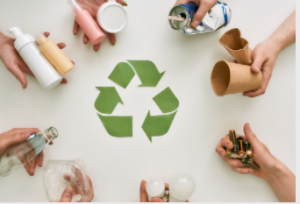 Plastic bottles are a byproduct of the food and beverage industry. They enter a complex global system where they are sold, shipped, melted, and resold. They can be reused to make clothing, carpets, and more. Some plastics have a life span of 500 years or more.
Plastic bottles are recycled to make a variety of products. The most common uses for recycled water bottles include making new plastic bottles and plastic caps. Water bottles are the most common type of plastic, but other materials can also be used. These bottles are often made from PET plastic, which is clear and transparent. The material is durable but cracks easily when bent and is difficult to scratch. It is also challenging to collect in quantities suitable for recycling, and its recycling life is limited.
While recycling plastics is becoming more popular in many areas of the world, the process is still complex. It involves a trading network that spans continents, and few consumers understand their role. Afterwards, the plastic bottles are sorted into bales by type and shipped to a destination.
They become clothing, furniture, and more.
Adelaide bottle recycling is a great way to get kids involved in making our planet a better place. Instead of wasting plastic water bottles in landfills, you can turn them into valuable products. From furniture to clothing, bottle recycling can produce a wide range of new products. Here are some of the ways you can recycle your plastic bottles:
They are recycled into pellets.
Bottles are recycled into pellets to produce new bottles. In the process, they are converted into high-grade, environmentally friendly materials. As a result, these pellets are available at a fraction of the cost of virgin plastic; additionally, they can be used to create packaging, containers, textiles, and industrial bags.
After recycling, the bottles are shipped to a material recovery facility, where they are separated into different types. For example, #1 PET bottles are separated from #2 HDPE bottles. The next step is to crush them into blocks, which are then taken to a specialized facility and ground into tiny chips. These chips are then cleaned using a heat and spin cycle.
The raw materials for making plastic pellets are primarily waste plastics. Ordinary plastic wastes include plastic bottles, agricultural greenhouse films, woven bags, and plastic buckets. In addition to bottles, plastic pellets can be made from various products, such as packaging, toys, and industrial plastic wrap. The process requires that the waste be crushed to between two and three microns to obtain uniform pellets of a uniform density.
They are recycled into bottles.
There are many different ways that plastic bottles can be recycled. The primary material used in bottle production is polyethylene, also known as PET. While PET can be recycled again, the quality of the recycled product declines. Often PET bottles are downcycled into fibre or wood replacements. To maintain the same level of quality, bottle manufacturers may add virgin plastics to the recycled material.
The process starts with breaking up the plastic bottles into smaller pieces. These pieces are then deposited on conveyor belts inside a plant. Once inside the facility, the bottles are prewashed to remove any debris. Next, they go through a laser sorting process, which detects clear plastic from green. The plastic pieces then move through the conveyer belts according to colour. Once the bottles are separated, they have been cleaned and their labels removed.
They are turned into pellets.
The final step in the process of Adelaide bottle recycling is compounding. The process is a series of steps that involves using plastic regrinds to form pellets. The recycling process includes extruders and compounding lines to melt the plastic and incorporate additives. Plastic is most easily distributed in pellet form.
The recycled plastic bottles are then crushed or shredded. This process creates small pellets about the size of a grain of rice. These pellets can be sold to companies that can use them for new products. Many of the products we use are made from recycled plastic. These plastic pellets are then turned into a variety of new plastic products.