Net Replacement Film’ Why Australian Farmers Are Switching to Film-on-Film Silage

net replacement film

Australian farmers are looking for practical ways to improve bale quality, reduce handling issues and protect valuable forage through changing weather conditions. Net replacement film is gaining attention as part of the film-on-film silage technique, where stretch film is used to bind and wrap round bales without traditional netwrap. This approach can help create a more consistent outer layer while supporting the sealing process required for quality silage. From broadacre farms to mixed livestock operations, understanding how net replacement film works can help producers decide whether the technology suits their baling equipment, forage and storage conditions.

What Is Net Replacement Film?

Net replacement film is a specialised baling film designed to replace conventional netwrap when forming round bales. Instead of applying netwrap before wrapping the bale with stretch film, the film itself helps secure the bale during baling.

This creates what is commonly known as the film-on-film silage technique. The binding material and wrapping film are compatible, creating an outer surface that is easier to manage during subsequent wrapping and storage.

How Film-on-Film Silage Technology Works

Traditional round baling often uses netwrap to hold forage together before applying stretch film. With film-on-film systems, the baler applies a dedicated film around the bale for binding, then applies stretch film to create an airtight package.

The process can offer several practical advantages:

● Reduced material variation: One compatible film system can simplify bale handling.

● Improved film contact: The outer binding layer is already made from film rather than netting.

● Cleaner recycling considerations: Farmers can avoid having separate netwrap material mixed with silage film.

● Better weather protection: Properly applied stretch film helps shield forage from moisture and oxygen.

Equipment compatibility remains important. Farmers should check the baler’s specifications, film requirements, and the manufacturer’s recommendations before switching from netwrap.

Why Australian Farmers Are Considering the Switch

Australian conditions can be demanding for silage production. Heat, strong sunlight, wind, and variable rainfall can all affect wrapped bales, particularly when stored outdoors.

A suitable net replacement film can form part of a more integrated baling and wrapping system. When applied correctly, the film needs to maintain bale integrity while allowing the stretch film to create the airtight environment required for fermentation.

Mantle Film Round Baling and Bale Protection

The term “mantle film round baling” refers to systems that use film in the bale-forming process. For Australian producers, the key consideration is not simply the film itself, but how well the complete system performs with the baler, forage type, and local storage conditions.

Correct bale density, film application and storage remain essential. Even a high-quality film cannot compensate for poorly formed bales or damaged wrapping.

Choosing NRF Bale Binding in Australia

When evaluating NRF bale-binding options in Australia, farmers should consider more than the upfront cost of the consumable. Film thickness, machinery compatibility, puncture resistance, UV performance, and supplier support can all affect a system’s overall value.

It is also worth considering how bales will be transported, stacked and stored. Bales exposed to Australia’s sun and weather need appropriate wrapping and regular inspection for punctures or other damage.

Is Net Replacement Film Right for Your Farm?

The best agricultural plastic solution choice depends on your baler, crop, bale size and handling system. Speak with your equipment or film supplier about compatibility and test the system under your normal operating conditions before making a full change.

Net replacement film can provide Australian farmers with another option to simplify round-bale production while more closely integrating binding and wrapping materials. With the right equipment, application method and storage practices, film-on-film technology can be a practical addition to modern silage operations.

—

Frequently Asked Questions

1. What is net replacement film?

Net replacement film is a specialised baling film designed to replace conventional netwrap when forming round bales.

2. What is the film-on-film silage technique?

It is a system in which film binds bales before stretch film is applied to wrap and seal them.

3. Can net replacement film work with existing balers?

Compatibility varies by baler model and film system. Always check the manufacturer’s specifications before switching materials.

4. Why is bale wrapping important in Australia?

Proper wrapping helps protect silage from oxygen, moisture and environmental exposure during storage.

5. What should farmers consider when choosing NRF bale binding in Australia?

Consider machinery compatibility, film performance, bale handling, storage conditions, supplier support and the total cost of the system.

Switchboard Upgrades Adelaide’ Residential Safety, Capacity & Modern Living

switchboard upgrades Adelaide

Your home’s electrical demands can change significantly over time. New appliances, air conditioning, solar systems, electric vehicles and home offices can place greater demands on an older electrical system. Residential switchboard upgrades Adelaide can improve electrical safety while giving your home the capacity needed for modern living.

An outdated switchboard may still appear functional, but ageing components can create risks and limit what your electrical system can safely support. For homeowners in Adelaide and surrounding Adelaide suburbs, upgrading the switchboard can be a practical investment in both safety and long-term electrical performance.

Why Consider Residential Switchboard Upgrades?

The switchboard is the central point where electricity is distributed throughout your home. Older boards may use outdated protection devices that do not provide the same level of fault protection expected from modern installations.

A professional electrical assessment can determine whether your existing switchboard meets your household’s current and future needs. Signs that an upgrade may be appropriate include:

● Frequent circuit trips or blown fuses

● An ageing fuse-based switchboard

● Plans to install solar panels or a battery

● Adding high-powered appliances

● Electrical work that requires additional circuits

● An upcoming renovation or extension

A modern switchboard can also make it easier for an electrician to isolate individual circuits during maintenance or when an electrical fault occurs.

Better Capacity for Modern Adelaide Homes

Today’s homes often use more electrical equipment than older properties were originally designed to accommodate. Air conditioners, induction cooking, heat-pump systems, home offices, pool equipment and EV chargers can all increase electrical demand.

This is where residential switchboard upgrades can provide valuable flexibility. Rather than simply replacing an old component, an electrician can assess the home’s existing circuits, protection devices and available capacity before recommending an appropriate solution.

Preparing for New Appliances

If you’re renovating an Adelaide kitchen, installing an induction cooktop may require changes to the electrical installation. An induction cooktop switchboard upgrade can help ensure the required circuit and protection arrangements are properly considered before the appliance is installed.

The same principle applies to other major electrical additions. Planning the switchboard upgrade alongside renovations can reduce the risk of costly electrical changes later.

What Does a Modern Switchboard Cost in Adelaide?

The modern switchboard cost Adelaide homeowners face depends on the condition of the existing installation and the work required. Factors can include the number of circuits, required protection devices, enclosure requirements, wiring changes and whether additional circuits need to be installed.

A straightforward upgrade will generally involve different work from a complete electrical panel replacement SA project. The safest approach is to have a licensed electrician inspect the existing switchboard and provide a written quotation based on the property’s actual requirements.

Avoid choosing an electrician solely on the lowest quoted price. Proper assessment, compliant installation, and suitable protective equipment matter more than cutting corners on an essential electrical system.

Safety First for Adelaide Properties

Electrical work should be performed by a suitably licensed electrician and completed in accordance with applicable Australian electrical requirements. A switchboard upgrade is not a suitable DIY project, especially because it involves potentially dangerous electrical connections.

Professional residential switchboard upgrades should consider both current safety requirements and the home’s future electrical needs. This forward-thinking approach can make future appliance installations, renovations and electrical improvements easier to manage.

Upgrade Your Home’s Electrical Foundation

For Adelaide homeowners, an ageing switchboard does not have to become a limitation. Residential switchboard upgrades can improve protection, increase capacity and prepare the property for modern electrical demands.

If your switchboard is outdated, frequently trips, or needs to support new appliances, arrange an assessment with a licensed local electrician. A professional inspection can identify the right upgrade for your home and clearly explain the work and costs involved.

—

Frequently Asked Questions

1. When should I consider a residential switchboard upgrade?

Consider an upgrade if your switchboard is ageing, uses outdated fuses, frequently trips, or needs to accommodate major new appliances or additional circuits.

2. How much does a modern switchboard cost in Adelaide?

The cost varies based on the property’s existing electrical system, number of circuits, protection requirements, and scope of work. A licensed electrician can provide an accurate quotation after inspection.

3. Does an induction cooktop require a switchboard upgrade?

Not always. However, an induction cooktop may require a dedicated circuit and appropriate electrical capacity, so an electrician should assess the existing switchboard before installation.

4. What is involved in an electrical panel replacement in SA?

Depending on the installation, work may include replacing the switchboard enclosure and protective devices, reorganising circuits and making other necessary electrical changes to meet applicable requirements.

5. Can a switchboard upgrade prepare my home for future electrical needs?

Yes. An electrician can assess anticipated additions, such as solar, batteries, EV charging, and high-powered appliances, when planning the upgrade.

Silage Plastic’ Zero-Permeability EVOH for Saline-Sodic Clays

silage plastic

Storing silage on saline-sodic clay soils in the Riverina presents challenges that extend beyond keeping rain and dust away from the stack. Heavy clay surfaces along the Murrumbidgee irrigation corridor can create difficult conditions for bunker and pit construction, while poor sealing can allow oxygen exchange, reducing fermentation quality. High-performance silage plastic using EVOH co-extrusion provides a technical solution by creating a highly effective gas barrier around stored forage. For corn and lucerne silage, this helps maintain the anaerobic environment needed for stable fermentation and limit losses from oxygen exposure.

Why Gas Barrier Performance Matters in Silage

Successful silage fermentation depends on restricting oxygen after packing the forage. Once oxygen enters through a damaged cover, a poor seal, or a permeable film, aerobic microorganisms can become active and consume valuable organic matter.

This is particularly important for lucerne and corn silage, where preserving fermentable material and maintaining nutritional value are key storage objectives. A high-performance silage plastic can reduce gas transfer compared with conventional polyethylene films, supporting a more consistent sealed environment.

Understanding EVOH Co-Extrusion

EVOH, or ethylene vinyl alcohol, is widely used as a barrier polymer because of its very low permeability to oxygen and other gases under suitable conditions. In agricultural films, EVOH can be incorporated into multilayer structures rather than used as a standalone film.

Seven-layer and nine-layer co-extruded films can combine different polymer layers to provide barrier performance, mechanical strength, flexibility and protection for the EVOH layer. Exact performance depends on the formulation, thickness, processing, and finished-film construction.

A zero-permeability high-performance silage plastic should therefore be understood as a product designed for extremely low gas transmission, rather than literally assuming that no gas can ever pass through the material.

Protecting Fermentation on Riverina Clays

Saline-sodic soils can create a harsh working environment for agricultural operations. Clay surfaces may be hard, uneven and prone to cracking or structural changes depending on moisture conditions. These factors make careful preparation and protection of a silage storage area especially important.

The plastic itself is only one part of the sealing system. Operators should also consider:

● Removing sharp stones and debris before covering the silage.

● Using suitable underlay protection where the base presents puncture risks.

● Achieving a close seal around bunker edges and joins.

● Inspecting the cover regularly for tears, holes or lifted sections.

● Repairing damage promptly with compatible repair materials.

● Using adequate weighting to maintain contact with the forage surface.

A high-performance silage plastic with a strong gas barrier can complement these practices by limiting oxygen transmission through the film itself.

Retaining Organic Acids During Fermentation

During fermentation, lactic acid and other organic acids help preserve silage. The goal is not simply to produce acids but to maintain conditions that support stable fermentation and prevent unwanted aerobic activity.

A highly effective barrier film helps maintain the sealed environment this process requires. For Riverina producers storing corn or lucerne, this can be especially useful where silage must remain protected through extended storage periods and variable seasonal conditions.

7-Layer vs 9-Layer Film Construction

Layer count alone does not determine film performance. A nine-layer product is not automatically superior to every seven-layer product. What matters is the overall construction, including the EVOH barrier layer, polymer selection, thickness, mechanical properties and manufacturing quality.

When comparing products, ask suppliers for technical data covering oxygen transmission, film thickness, tensile strength, puncture resistance and recommended installation practices.

Choosing High-Performance Silage Plastic

For farms along the Murrumbidgee irrigation corridor, base film selection on the complete storage system rather than the marketing description on the roll. High-performance silage plastic with EVOH barrier technology can provide an extra layer of protection when oxygen control is a priority.

For best results, combine an appropriate barrier film with good compaction, clean surfaces, reliable edge sealing and regular inspection.

Conclusion

EVOH co-extrusion offers a technically advanced approach to controlling gas exchange in silage storage. For corn and lucerne stored on saline-sodic clay soils across the Riverina, a high-performance silage plastic can provide the airtight conditions required for effective preservation.

Speak with an agricultural film supplier about EVOH multilayer options and request technical specifications before selecting a film for your next silage project.

—

Frequently Asked Questions

1. What is EVOH in silage plastic?

EVOH is a barrier polymer used in multilayer films to provide very low gas permeability, particularly against oxygen.

2. What does zero permeability high-performance silage plastic mean?

It generally refers to film engineered for extremely low gas transmission. You should not automatically assume any flexible polymer film has literally zero gas transmission.

3. Is nine-layer film better than seven-layer film?

Not necessarily. Performance depends on the materials, barrier construction, thickness, and manufacturing quality, not layer count alone.

4. Why is oxygen control important for silage?

Limiting oxygen helps maintain anaerobic fermentation and reduces the risk of aerobic spoilage after the forage has been sealed.

5. Can EVOH film be used for lucerne and corn silage?

EVOH multilayer films can suit different silage crops, provided the product is specifically manufactured and recommended for the intended storage application.

Shockwave Therapy Side Effects’ A Complete Adelaide Patient Guide to Safety, Risks, and Recovery Expectations

shockwave therapy

Shockwave therapy is increasingly used in musculoskeletal and sports injury rehabilitation across clinics in Adelaide. It is commonly recommended for conditions such as plantar fasciitis, Achilles tendinopathy, calcific shoulder pain, and chronic tendon overload injuries. While it is generally considered a non-invasive and low-risk procedure, patients often search for information about shockwave therapy side effects before committing to treatment.

Understanding potential reactions helps patients make informed decisions and set realistic expectations about comfort, recovery, and outcomes. In Adelaide physiotherapy and sports medicine settings, practitioners typically explain that side effects are usually mild and temporary. However, they can still be significant for certain individuals depending on sensitivity, dosage intensity, and the treated area.

How Shockwave Therapy Works and Why Side Effects Occur

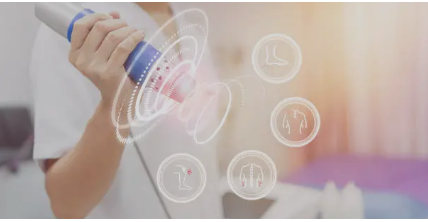
Shockwave therapy uses acoustic energy waves delivered through a handheld device to stimulate tissue repair, increase blood flow, and promote collagen regeneration. The mechanical pressure created by these waves triggers a controlled inflammatory response, which is essential for healing chronic injuries.

However, this same biological response explains many of the side effects of shockwave therapy. Since the treatment intentionally irritates targeted tissue to restart healing, the body may respond with short-term soreness, swelling, or redness. These effects are not necessarily signs of harm; instead, they are often part of the therapeutic process.

Clinics across Adelaide typically adjust treatment intensity to balance effectiveness with patient tolerance, especially during initial sessions.

Common Shockwave Therapy Side Effects Patients Experience

Most patients undergoing treatment in Adelaide report mild and short-lived effects. The most frequently observed reactions include:

1. Localised Pain or Tenderness

This is the most common response. The treated area may feel sore immediately after the session and for 24–48 hours.

2. Redness and Mild Swelling

Increased blood flow to the area can cause visible redness or slight swelling, particularly in superficial tissues.

3. Bruising

Some patients develop minor bruising due to capillary fragility, especially in areas with limited soft-tissue coverage.

4. Temporary Discomfort During Treatment

While tolerable for most, the sensation during application can feel sharp or pulsating, depending on intensity settings.

5. Fatigue or Aching Sensation

Muscles around the treated region may feel tired as the body adapts to increased metabolic activity.

These shockwave therapy side effects are typically self-limiting and resolve without intervention.

Less Common or Higher-Risk Reactions

Although rare, some individuals may experience more pronounced responses, particularly if higher energy settings are used or if they have underlying sensitivities:

● Prolonged swelling lasting several days

● Increased pain flare-up before improvement begins

● Temporary numbness or tingling near nerve-rich areas

● Skin irritation in patients with fragile tissue

Clinicians in Adelaide generally screen for contraindications, such as clotting disorders, pregnancy, or active infections, to minimise risk. Proper assessment is essential before starting therapy.

Factors That Influence Side Effects Severity

Not all patients experience shockwave therapy side effects in the same way. Several variables influence response:

● Treatment Intensity: Higher energy levels can increase discomfort but may accelerate healing in stubborn conditions.

● Tissue Condition: Patients undergoing chronic injury management for conditions involving calcification or long-term degeneration may react more strongly to treatment.

● Patient Sensitivity: Pain thresholds vary widely among individuals.

● Treatment Frequency: Sessions spaced too closely together may temporarily increase soreness.

● Clinical Technique: Proper targeting by experienced practitioners reduces unnecessary tissue irritation.

Adelaide-based physiotherapists often personalise protocols based on patient progress to minimise adverse reactions while maintaining effectiveness.

Managing Side Effects and Supporting Recovery

Post-treatment care plays a key role in reducing discomfort and optimising outcomes. Patients in Adelaide are commonly advised to:

● Apply ice packs for 10–15 minutes if soreness develops

● Avoid high-impact activity for 24–48 hours after treatment

● Stay hydrated to support tissue recovery

● Perform gentle stretching as recommended by the clinician

● Use over-the-counter pain relief only if necessary and approved

Most shockwave therapy side effects subside within a short recovery window, and many patients begin noticing functional improvements within a few sessions.

When to Seek Professional Advice

While complications are uncommon, patients should contact their provider if they experience:

● Pain that worsens significantly after 72 hours

● Persistent swelling or discolouration

● Signs of infection (rare in non-invasive therapy)

● Neurological symptoms such as persistent numbness

Clinicians in Adelaide typically schedule follow-up reviews to ensure recovery is progressing as expected and to adjust treatment intensity if required.

Final Considerations for Adelaide Patients

Shockwave therapy remains a widely used and evidence-supported option for chronic tendon and musculoskeletal conditions. Although shockwave therapy side effects can sound concerning, they are generally mild, temporary, and part of the body’s healing response.

For patients in Adelaide, the key to a positive outcome lies in proper assessment, individualised treatment planning, and adherence to post-care instructions. When administered correctly by trained professionals, the benefits often outweigh the short-term discomfort associated with therapy.

Understanding what to expect allows patients to approach treatment with confidence and realistic expectations, improving both compliance and long-term recovery outcomes.

Net Wrap’ Heavy-Duty Protection for Australia’s Harsh Baling Conditions

net wrap

Baling hay and straw in Australia can put serious demands on agricultural equipment and consumables. Dry conditions, rough paddocks, high temperatures and intense sunlight can all contribute to bale damage and wrapping failures. Choosing heavy-duty net wrap can help producers create secure, well-shaped bales while reducing the risk of tearing during baling, handling and storage.

For Australian farmers, the right net wrap is not simply about keeping material together—it is about dependable performance under demanding conditions. Selecting a product designed for agricultural use and suited to local conditions can make every baling run more efficient and reliable.

Why Net Wrap Tears in Australian Conditions

Net wrap can experience considerable stress as it is fed around a bale at speed. Uneven crop density, sharp or abrasive material, incorrect baler settings and rough handling can all increase the likelihood of damage.

Australia’s climate adds another challenge. Strong sunlight and prolonged UV exposure can weaken unsuitable plastic products over time. A quality UV-stabilized bale net wrap is designed to resist UV exposure, making it a practical choice when bales need to remain outdoors before use or transport.

Farmers should also consider how the crop and paddock conditions affect wrapping performance. Dry, brittle stubble or coarse plant material may place more mechanical stress on the net, particularly when baling conditions are less than ideal.

The Benefits of Heavy-Duty Net Wrap

Using heavy-duty net wrap can provide several practical advantages during demanding baling operations.

Better Bale Coverage

Consistent coverage helps hold the bale together and can reduce loose edges or exposed material. Good coverage is particularly important when bales will be moved multiple times after leaving the paddock.

Greater Resistance to Tearing

A robust baling equipment is better equipped to handle tension during application. This can help reduce interruptions caused by torn netting and keep the baling process moving.

Protection During Handling

Bales often move a lot after baling, from paddock collection and transport to storage and feeding. Strong netting helps maintain bale integrity throughout these stages.

Improved Outdoor Durability

For producers storing bales outside, UV resistance matters. UV-stabilized bale net wrap helps it withstand exposure to Australian sunlight, supporting bale protection during outdoor storage.

Choosing the Right Net Wrap for Your Farm

Not every baling operation has the same requirements. Before buying, consider:

● Crop type: Coarse or dense crops may require higher-performance wrapping.

● Baler compatibility: Check that the net dimensions and specifications are compatible with your baler.

● Paddock conditions: Rough ground and abrasive crop residue can increase stress on the wrap.

● Storage requirements: Outdoor storage makes UV resistance especially important.

● Bale handling: Consider how frequently bales will be moved after wrapping.

A dependable heavy-duty net wrap should complement your baler settings and operating conditions, not compensate for poorly adjusted equipment. Correct tension, feeding and bale formation remain important for achieving consistent results.

Built for Tough Australian Baling

Australian farming conditions can change quickly, and wrapping materials need to perform when the paddock is dry, the crop is demanding, and the workload is high. Choosing heavy-duty net wrap designed for agricultural applications can provide greater confidence throughout the baling process.

For farms where bales may spend extended periods outdoors, combining durable construction with UV-stabilized bale net wrap technology can also support better protection against environmental exposure.

Wrap with Confidence

The right net wrap can make a meaningful difference to bale quality, handling and day-to-day baling efficiency. For Australian producers facing demanding conditions, heavy-duty net wrap offers a practical way to improve wrapping reliability and protect valuable forage.

Choose a net wrap suited to your crop, baler and storage conditions, and speak with an agricultural supplier about the best option for your operation before the next baling season.

—

Frequently Asked Questions

1. What is heavy-duty net wrap?

Heavy-duty net wrap is agricultural baling material designed to provide durable bale coverage and withstand the stresses associated with demanding baling and handling conditions.

2. Why is UV stabilisation important?

UV stabilisation helps net wrap resist degradation from prolonged sunlight exposure, which is especially relevant when bales are stored outdoors.

3. Can heavy-duty net wrap prevent all tearing?

No. Product quality matters, but baler settings, crop conditions, feeding, bale density, and handling can all affect the risk of tearing.

4. Is UV-stabilised bale net wrap suitable for Australia?

It can be a useful option for Australian farms, particularly where wrapped bales may be exposed to strong sunlight during outdoor storage.

5. How do I choose the right net wrap?

Consider your crop, baler specifications, bale size, paddock conditions, handling requirements and expected storage environment before selecting a product.

Home Builders Adelaide’ Why Experienced Home Builders Deliver Better Homes in Adelaide, SA

home builders Adelaide

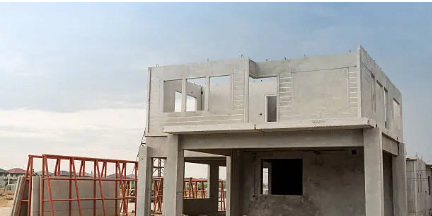
Finding the right team to build your dream home is one of the most important decisions you’ll ever make. Choosing experienced home builders means partnering with professionals who understand every stage of construction, from planning and approvals to the final handover. In Adelaide, SA, where lifestyle, climate, and local council requirements all shape residential construction, working with knowledgeable builders can make your project smoother, more efficient, and more rewarding.

Why Experience Matters in Home Building

Building a home involves far more than selecting a floor plan and watching construction begin. Every project requires careful coordination, technical expertise, and attention to detail. Experienced builders have refined their processes over years of delivering successful homes, allowing them to anticipate challenges before they become costly issues.

They understand local building regulations, supplier networks, and construction methods suited to Adelaide’s diverse landscapes. Whether your block is in the suburbs, the Adelaide Hills, or a growing residential estate, seasoned professionals know how to adapt their approach to achieve the best outcome.

Their practical knowledge also helps maintain realistic timelines, manage budgets effectively, and deliver quality artistry from foundation to completion.

Local Knowledge Creates Better Homes

Adelaide offers a unique combination of modern urban living and scenic regional surroundings. Local builders understand how environmental conditions influence home design and construction.

They consider factors such as:

● Orientation for natural light

● Energy-efficient insulation

● Ventilation for South Australia’s climate

● Bushfire requirements in applicable areas

● Soil conditions and site preparation

These details contribute to homes that are comfortable, efficient, and built for long-term performance.

Working with local construction professionals also means easier communication throughout the project, ensuring decisions can be made quickly whenever adjustments become necessary.

A Streamlined Building Process

One of the biggest advantages of hiring experienced home builders is their ability to simplify what can otherwise feel overwhelming.

A structured building process typically includes:

Initial Consultation

Builders discuss your goals, budget, preferred design, and lifestyle requirements, and identify any site-specific considerations.

Design Development

Plans are refined to maximise functionality, aesthetics, and compliance with local building standards.

Planning and Approvals

Experienced teams assist with council approvals, permits, engineering requirements, and documentation to minimise delays.

Construction

Project managers coordinate trades, suppliers, inspections, and quality control while keeping homeowners informed throughout every stage.

Final Inspection and Handover

Before completion, comprehensive inspections ensure every aspect of the home meets quality expectations and building standards.

This organised approach reduces stress and improves communication from start to finish.

Customisation That Matches Your Lifestyle

Every family has different priorities, and modern homes should reflect the way people actually live.

Professional builders can customise:

● Open-plan living areas

● Home offices

● Alfresco entertaining spaces

● Multi-generational layouts

● Energy-efficient upgrades

● Smart home technology

● Luxury kitchens

● Spacious master suites

Instead of forcing homeowners into standard designs, experienced professionals tailor floor plans around daily routines and future needs.

This personalised approach often increases long-term satisfaction while adding value to the finished property.

Quality Materials and Skilled Craftsmanship

A home’s quality depends on far more than attractive finishes. Reliable builders work with trusted suppliers and qualified tradespeople who consistently deliver high standards.

From structural framing to roofing, flooring, cabinetry, plumbing, and electrical systems, quality workmanship helps minimise maintenance issues for years to come.

Durable materials also improve energy efficiency, comfort, and overall property value.

Because experienced builders maintain long-standing relationships with suppliers, they can often source premium materials at competitive prices.

Transparent Communication Throughout Construction

Homeowners value builders who communicate clearly and honestly throughout every phase of construction.

Professional builders provide regular progress updates, explain upcoming milestones, and quickly address any questions or concerns.

This transparency helps homeowners:

● Understand project timelines

● Track construction progress

● Prepare for key decisions

● Avoid surprises

● Maintain confidence throughout the project

Strong communication creates a collaborative experience where everyone remains aligned on expectations.

Choosing Experienced Home Builders in Adelaide

Not every builder offers the same level of expertise. Before selecting a company, homeowners should evaluate several important factors.

Look for builders who demonstrate:

● Extensive residential construction experience

● Strong local reputation

● Completed projects across Adelaide

● Transparent pricing

● Clear contracts

● Positive client testimonials

● High-quality workmanship

● Effective project management

Choosing experienced home builders with proven results provides greater confidence that your investment will be protected throughout the construction journey.

Meeting builders in person and reviewing previous projects can also help determine whether their design style, communication approach, and quality standards align with your expectations.

Long-Term Value Beyond Construction

A well-built home delivers value long after construction ends. Better craftsmanship, thoughtful design, and durable materials reduce ongoing maintenance while improving everyday comfort.

Energy-efficient features may also lower utility costs, while flexible floor plans continue meeting changing family needs over time.

Homes built by experienced professionals often retain stronger market appeal should owners decide to sell in the future.

Rather than focusing solely on the lowest initial quote, many Adelaide homeowners recognise that investing in quality construction delivers greater value over the property’s lifespan.

Conclusion

Building a new home is an exciting milestone that deserves careful planning and expert guidance. Choosing experienced home builders gives Adelaide homeowners confidence that every stage of the project will be handled professionally, precisely, and with attention to detail.

From customised designs and local expertise to quality craftsmanship and transparent communication, experienced builders help transform ideas into homes that stand the test of time. Whether you’re creating your forever family home, upgrading your lifestyle, or investing in property, partnering with trusted home builders in Adelaide is one of the smartest decisions you can make.

Physio Payneham’ Breaking Down Scar Tissue Post-Surgery with IASTM Techniques

physio Payneham

Surgery can be an important step towards recovery, but the healing process does not end when the incision closes. Scar tissue can sometimes become firm, tight, or attached to underlying tissues, affecting movement and comfort. For patients seeking physio, scar management may form part of a broader rehabilitation program designed to restore mobility and function. Instrument-assisted soft tissue mobilisation (IASTM) is one technique a qualified clinician may consider alongside exercise, manual therapy, and movement retraining. However, use it selectively and only after the surgical site has adequately healed.

What Happens to Scar Tissue After Surgery?

Scar formation is a normal part of wound healing. As the body repairs damaged tissue, collagen fibres form new connective tissue. Over time, a scar can soften and become more flexible, but some scars may remain thick, firm, sensitive, or restricted.

When scar tissue adheres to underlying structures, it may reduce tissue mobility. Depending on the surgery location, it can affect joint movement, muscle function, or how a person performs everyday activities. A tailored scar tissue physio assessment can determine whether the scar itself is contributing to a functional limitation.

How IASTM May Support Scar Management

IASTM uses specialised instruments to apply controlled pressure and movement to soft tissues. The goal is to influence tissue mobility and help a clinician assess and treat areas that feel restricted.

For appropriate patients, soft tissue mobilisation may be incorporated into a rehabilitation session rather than used as a standalone treatment. The clinician may combine hands-on techniques with targeted stretching, strengthening, mobility exercises, and functional retraining.

Keep expectations realistic. Research on IASTM has produced mixed findings, and recent systematic reviews have reported low- or very-low-certainty evidence for several musculoskeletal outcomes. IASTM should therefore be viewed as one potential component of rehabilitation rather than a guaranteed method for “breaking up” scar tissue.

What an IASTM Session May Involve

A qualified physio may:

● Assess the scar, surrounding tissues, movement, and symptoms.

● Check whether scar restriction is affecting functional movement.

● Apply an appropriate IASTM technique around or over suitable healed tissue.

● Combine treatment with active mobility and strengthening exercises.

● Monitor your response and adjust pressure or treatment intensity as needed.

The approach should always be individualised. Scar treatment is not simply about applying more pressure; excessive or poorly timed pressure can irritate healing tissue.

When Is Scar Mobilisation Appropriate?

Timing depends on the type of surgery, wound healing, scar location, and instructions from the surgical team. Scar massage is generally introduced only after the wound has fully healed, with progression guided by clinical assessment. Some surgical rehabilitation protocols recommend gentle massage initially, followed by gradual increases in pressure as healing progresses.

This is where physio can add value. Rather than treating the scar in isolation, your clinician can consider the entire movement system and determine whether hands-on treatment is appropriate for your stage of recovery.

Choosing physio Payneham for Post-Surgical Rehabilitation

If you have a persistent tight, uncomfortable, or restricted surgical scar, professional assessment can help identify the most appropriate rehabilitation strategy. A physio can assess your mobility, strength, scar characteristics, and functional goals before recommending techniques such as soft tissue mobilisation.

For residents in Payneham and surrounding Adelaide suburbs, seeking local physiotherapy can make it easier to maintain consistent follow-up throughout recovery.

Conclusion

Scar tissue is a normal consequence of surgery, but restricted scar mobility can sometimes interfere with movement and function. IASTM and soft tissue mobilisation may have a role within a broader rehabilitation plan, although current evidence does not support presenting IASTM as a universal solution.

If you are experiencing post-surgical stiffness or scar-related movement restrictions, speak with a qualified physio in Payneham for an individual assessment and evidence-informed rehabilitation plan.

—

Frequently Asked Questions

1. Can physio help with scar tissue after surgery?

Yes. A physiotherapist can assess scar mobility and determine whether scar massage, soft-tissue techniques, exercise, or other rehabilitation strategies are appropriate.

2. What is IASTM?

Instrument-assisted soft tissue mobilisation uses specialised tools to apply controlled pressure and movement to soft tissues. It may be used as part of a broader rehabilitation program.

3. Does IASTM completely break down scar tissue?

It is more accurate to describe IASTM as a technique intended to influence soft-tissue mobility. Evidence for its effectiveness is mixed, so it should not be presented as a guaranteed way to remove scar tissue.

4. When can scar massage begin after surgery?

The timing varies by procedure. Scar massage should generally begin only after the wound has healed, with the treating surgical or rehabilitation team confirming the timing.

5. Is soft tissue mobilisation painful?

It should be appropriately dosed for the individual and their stage of healing. Your clinician can adjust the technique and pressure based on your symptoms and tissue response.

Stockinette Bags Australia’ Elastic Stockinette Bags for Produce, Butchers, and Industrial Packaging Efficiency

stockinette bags

Across Australia’s agricultural, retail, and food processing sectors, packaging efficiency plays a critical role in maintaining product quality and reducing waste. One material increasingly used across these industries is elastic stockinette bags. These flexible mesh-style sleeves are designed to securely hold produce, meats, and other goods while allowing airflow and easy handling. From farms in rural Victoria to wholesale markets in Sydney and Brisbane, demand for reliable packaging continues to grow as businesses prioritise freshness, durability, and cost-effectiveness.

In this context, elastic stockinette bags have become a practical solution for packaging onions, citrus, potatoes, and even bone-in meat cuts in butcheries. Their stretchable design ensures a snug fit around irregular shapes, reducing movement and damage during transport.

What Are Stockinette Bags and Why They Matter in Australia?

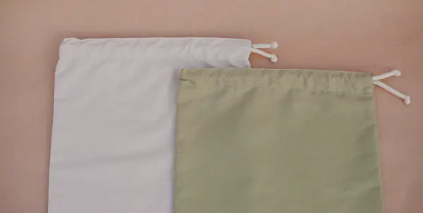
Stockinette bags are tubular mesh sleeves made from knitted synthetic fibres such as polyethylene or cotton blends. Their elastic nature allows them to expand and contract in response to their contents. In the Australian supply chain, they are widely used in:

● Fresh produce packing facilities

● Wholesale food distribution centres

● Butcher shops and meat processors

● Agricultural harvesting operations

The Australian climate, with its mix of humid coastal regions and dry inland farming zones, makes ventilation essential for perishable goods. Stockinette packaging supports airflow, reducing moisture buildup and spoilage during storage and transit.

For businesses looking to streamline packaging operations, elastic stockinette bags offer a balance between protection and breathability that rigid packaging cannot easily match.

Key Benefits for Australian Agricultural and Food Industries

One of the primary advantages of stockinette packaging is its adaptability. Unlike rigid containers, these bags conform to the shape of their contents, minimising wasted space. This is especially important in high-volume export operations where shipping efficiency directly affects profitability.

Other key benefits include:

● Improved ventilation: Reduces spoilage in fresh produce

● Cost efficiency: Lightweight materials lower transport costs

● Ease of handling: Quick loading and unloading in warehouses

● Reduced bruising: Gentle compression protects delicate produce

In large-scale operations across Queensland and New South Wales, elastic stockinette bags are often used for onions and citrus exports because they maintain product integrity while allowing bulk handling.

Applications Across Different Australian Industries

Stockinette packaging is not limited to the agricultural industry. In fact, its use has expanded significantly across multiple sectors:

1. Produce Packaging and Export

Australia’s fruit and vegetable exporters rely on stockinette sleeves to package bulk produce like oranges, potatoes, and garlic. The breathable structure helps extend shelf life during long-distance shipping.

2. Butchery and Meat Processing

In butcheries, stockinette bags are used to hold bone-in cuts such as ham and shoulder roasts. The elastic mesh keeps meat secure during curing or cooking processes while allowing moisture to escape.

3. Industrial Storage and Logistics

Some manufacturers use stockinette sleeves to bundle irregular industrial parts or components, particularly when airflow or flexibility is required.

Across these applications, elastic stockinette bags remain valued for their versatility and reliability under demanding conditions.

Choosing the Right Stockinette Bags in Australia

Selecting the correct stockinette product depends on several factors, including material type, elasticity level, and intended use. Australian buyers typically consider:

● Material strength: High-density polyethylene for heavy produce

● Elasticity level: Determines how tightly items are held

● Roll or cut length: Impacts packaging speed and efficiency

● Food-grade certification: Essential for export compliance

Suppliers across Australia often offer custom sizing to match industry requirements, especially for large-scale agricultural operations. This ensures compatibility with automated packaging systems and manual packing lines.

Sustainability and Modern Packaging Trends

Sustainability is becoming a key driver in packaging decisions across Australia. As industries move toward reducing plastic waste and improving recyclability, stockinette materials are evolving. Some manufacturers now offer recyclable or partially biodegradable options that maintain performance while reducing environmental impact.

In addition, reusable packaging systems are gaining traction in closed-loop agricultural supply chains. These innovations are helping businesses reduce costs while meeting environmental standards and consumer expectations.

The shift toward sustainable packaging has further increased interest in elastic stockinette bags, particularly among exporters seeking eco-friendly yet durable solutions.

Supply Chain Efficiency and Cost Considerations

Efficiency is a major concern for Australian distributors managing large volumes of perishable goods. Stockinette packaging helps reduce both labour time and material costs. Because the bags are lightweight and easy to apply, workers can package goods faster compared to rigid alternatives.

Additionally, transport efficiency improves because stockinette-wrapped goods can be tightly stacked without excessive void space. This directly reduces freight costs, especially for interstate logistics between major hubs like Melbourne, Perth, and Sydney.

Businesses that integrate elastic stockinette bags into their operations often report smoother packing workflows and fewer product losses due to damage or spoilage.

Future Outlook for Stockinette Packaging in Australia

As automation expands across Australian food processing facilities, stockinette packaging is expected to evolve alongside smart packaging technologies. Integration with automated filling and sealing systems will likely increase, improving consistency and throughput.

At the same time, rising demand for fresh produce exports in Asia is pushing Australian suppliers to adopt packaging solutions that preserve quality over longer transit times. This positions stockinette materials as a long-term staple in agricultural logistics.

With continued innovation and sustainability improvements, stockinette packaging is likely to remain a core component of Australia’s produce handling infrastructure for years to come.

Conclusion

From farms to food processors, stockinette packaging plays an essential role in Australia’s supply chain. Its flexibility, breathability, and cost efficiency make it a practical solution for handling a wide range of products. As industries continue to modernise and prioritise sustainability, elastic stockinette bags will remain a key packaging choice, supporting both operational efficiency and product quality nationwide.

Tiling Adelaide’ Floor Tiling Trends That Add Style and Value to Adelaide Homes

tiling Adelaide

When planning a home improvement project, floor tiling is one of the most effective ways to enhance your living space’s appearance and functionality. From modern open-plan homes to charming character properties, Adelaide homeowners are increasingly choosing tiled floors for their durability, low maintenance, and timeless appeal. Whether you’re renovating a single room or upgrading your entire home, selecting the right floor tiling significantly improve comfort, aesthetics, and property value.

Why Floor Tiling Remains a Popular Choice in Adelaide

Adelaide experiences hot summers and cool winters, making flooring materials an important consideration for year-round comfort. Tiles provide an excellent solution because they stay cool during warmer months and pair well with underfloor heating during winter.

Unlike carpet, which can trap dust and allergens, tiled floors are easy to clean and maintain. They are also highly moisture-resistant, making them suitable for kitchens, bathrooms, laundries, and even outdoor entertaining areas.

With countless colours, textures, and finishes available, homeowners can easily find a style that complements both contemporary and traditional Adelaide homes.

Choosing the Right Tiles for Every Room

Different rooms require different types of tiles, depending on traffic levels and moisture exposure.

Living Areas

Large-format porcelain tiles have become increasingly popular for living rooms because they create a seamless, spacious appearance. Neutral colours such as grey, beige, and soft stone finishes remain popular choices for modern interiors.

Kitchens

Kitchens experience frequent spills and heavy foot traffic, making porcelain tiles an ideal option. They are highly durable, stain-resistant, and simple to maintain.

Bathrooms

Bathrooms benefit from textured or slip-resistant tiles that improve safety while adding visual appeal. Many Adelaide homeowners choose matching wall and floor tiles to create a luxurious spa-inspired atmosphere.

Outdoor Spaces

Outdoor entertaining is a major part of the Adelaide lifestyle. Selecting weather-resistant tiles designed for exterior use ensures longevity while creating a smooth transition between indoor and outdoor living spaces.

Current Floor Tiling Trends in Adelaide Homes

Modern home improvement design trends continue to shape how homeowners approach floor tiling projects.

Large Format Tiles

Oversized tiles reduce grout lines, creating a cleaner, more sophisticated look. They also make smaller rooms appear larger and more open.

Natural Stone Look

Porcelain tiles that replicate marble, travertine, limestone, and slate offer the beauty of natural stone without the high maintenance requirements.

Timber Look Tiles

Wood-look porcelain tiles continue to grow in popularity because they combine the warmth of timber with the durability and moisture resistance of ceramic materials.

Patterned Tiles

Geometric and decorative patterned tiles are commonly used to create feature areas in entryways, bathrooms, and kitchens without overwhelming the overall design.

Matte Finishes

Many homeowners now prefer matte finishes over glossy surfaces because they provide a contemporary appearance while reducing visible footprints and glare.

Benefits of Professional Installation

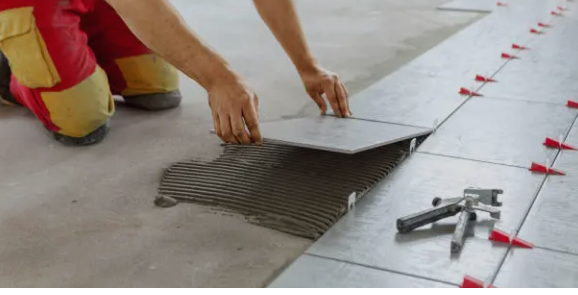
Even premium-quality tiles can underperform if they are not installed correctly. Professional tilers ensure accurate measurements, level surfaces, and proper adhesive application for a long-lasting finish.

Experienced installers also understand how Adelaide’s climate can affect expansion and contraction, ensuring they use the right installation techniques for maximum durability.

Professional installation helps prevent common issues such as:

● Uneven surfaces

● Cracked tiles

● Loose grout

● Water penetration

● Poor alignment

Investing in skilled workmanship often saves homeowners significant repair costs later.

How to Select the Best Tile Material

Choosing the right material depends on your lifestyle, budget, and design goals.

Porcelain Tiles

Porcelain remains one of the most popular options because it is extremely dense, durable, and resistant to water absorption. It performs exceptionally well in high-traffic areas.

Ceramic Tiles

Ceramic tiles provide an affordable solution for many indoor applications. They come in a wide range of colours and styles and are easy to clean.

Natural Stone

Stone flooring offers unmatched character and elegance. Materials such as marble, granite, and travertine create luxurious interiors but typically require periodic sealing to maintain their appearance.

Mosaic Tiles

Although often used for decorative purposes, mosaics can create striking feature floors in bathrooms, powder rooms, or entryways.

Maintaining Your Tiled Floors

Proper maintenance helps preserve the appearance of floor tiling for many years.

Simple cleaning practices include:

● Sweeping regularly to remove dirt and grit

● Using pH-neutral cleaning products

● Cleaning spills promptly

● Avoiding abrasive scrubbing tools

● Resealing natural stone when recommended

Routine maintenance not only keeps floors looking attractive but also extends the lifespan of grout and tile surfaces.

Adding Value Through Quality Floor Tiling

Homebuyers increasingly appreciate practical, low-maintenance flooring. Professionally installed tiled floors often enhance a property’s perceived value and create a more polished interior.

Modern tile designs also offer long-term flexibility. Neutral colours and timeless finishes allow homeowners to update furniture and décor without replacing their flooring.

Whether renovating for personal enjoyment or preparing a property for sale, high-quality tiled floors remain one of the smartest investments available.

Finding the Right Tiling Professionals in Adelaide

Choosing an experienced tiling specialist can significantly affect your renovation outcome. Reputable Adelaide tilers will provide guidance on tile selection, surface preparation, layout planning, and finishing techniques.

Before selecting a contractor, consider:

● Years of local experience

● Portfolio of completed projects

● Customer reviews

● Product recommendations

● Transparent quotations

● Warranty on workmanship

Working with knowledgeable professionals ensures every stage of the installation meets industry standards while delivering a finish that complements your home’s design.

Conclusion

A well-planned tiling project offers lasting beauty, improved functionality, and excellent value for Adelaide homeowners. From selecting durable materials to embracing the latest design trends, quality floor tiling creates stylish spaces that are easy to maintain and built to withstand everyday life. Whether you’re renovating a bathroom, kitchen, living area, or outdoor entertainment space, partnering with experienced tiling professionals in Adelaide helps ensure outstanding results that will keep enhancing your home for years to come.

Cosmetic Dentist Adelaide’ Affordable Fixes for Chipped or Gapped Front Teeth

cosmetic dentist Adelaide

Graduating from UniSA or Adelaide Uni is a major milestone, but your smile may still have a few details you would like to improve before stepping into your next chapter. Small chips, uneven edges and gaps between front teeth can affect how confident you feel in professional photos, interviews or everyday conversations. A cosmetic dentist in Adelaide can assess your teeth and recommend practical treatments based on your goals, dental health and budget. Fortunately, improving a chipped or gapped smile does not always require extensive treatment. Several cosmetic options can provide noticeable results while keeping treatment relatively straightforward.

Common Cosmetic Concerns After Graduation

Front teeth are highly visible, so even a minor imperfection can attract attention. Chipped enamel may result from an accident, biting hard foods, or everyday wear, while gaps can occur naturally due to tooth size, spacing, or alignment.

Before recommending cosmetic treatment, your dentist should check that your teeth and gums are healthy. Existing decay, gum disease or other dental problems may need to be addressed first.

Affordable Options for a Smile Refresh

Composite Bonding

Composite bonding is often one of the most conservative options for improving the appearance of front teeth. Your dentist applies tooth-coloured composite resin to reshape a chipped edge, close a small gap or improve uneven tooth contours.

For graduates seeking a gap teeth fix, bonding can offer a relatively quick cosmetic solution. It usually requires minimal removal of natural tooth structure, although suitability depends on the gap’s size and location and the condition of the teeth.

Porcelain Veneers

Veneers are thin, custom-made restorations designed to cover the visible front surface of teeth. They can address several cosmetic concerns at once, including chips, uneven shapes, discolouration and selected spacing issues.

While veneers can provide a highly polished result, they generally involve a greater financial investment than composite bonding. A consultation with a cosmetic dentist Adelaide patients can trust can help determine whether veneers suit your smile goals.

Professional Teeth Whitening

If your main concern is tooth colour rather than shape, professional whitening may complement other cosmetic treatments. Whitening can brighten natural teeth, although it does not change the colour of existing fillings, crowns or bonding.

If you’re considering chipped tooth restoration, SA dental practices may offer whitening; this can be planned before bonding or veneers so the restorations match the desired shade.

Choosing the Right Treatment

The most suitable dental treatment depends on more than appearance. Your dentist should consider:

● The size and position of any gaps or chips

● Your bite and tooth alignment

● Existing fillings or restorations

● Enamel and gum health

● Your desired result and budget

● How long you want the cosmetic improvement to last

A thorough consultation allows your dentist to explain the benefits, limitations, maintenance requirements and expected longevity of each option.

Why Professional Assessment Matters

Searching for an affordable cosmetic dentist in Adelaide should not mean choosing treatment based on price alone. Quality cosmetic dentistry requires careful planning, appropriate materials and attention to your natural bite and tooth structure.

For UniSA and Adelaide Uni graduates beginning careers across Adelaide, a well-planned smile enhancement can be a practical investment in confidence without automatically committing to complex treatment.

Restore Your Smile With a Personalised Plan

Whether you need a small chip repaired, a gap teeth fix, or a more comprehensive cosmetic makeover, start with a professional assessment. A cosmetic dentist in Adelaide can help you compare bonding, veneers, whitening and other suitable options based on your individual needs.

Book a consultation with an Adelaide cosmetic dental practice to discuss your smile goals and find an approach that fits your dental health, timeline and budget.

—

FAQs

1. Can composite bonding fix a chipped front tooth?

Yes. Composite bonding can often restore small chips and reshape front teeth using tooth-coloured resin. Your dentist will assess whether bonding is suitable.

2. Is composite bonding suitable for closing gaps?

It can suit some small gaps. The appropriate approach depends on the gap’s size, location, tooth shape and your bite.

3. What chipped tooth restoration SA patients can consider?

Options may include composite bonding, veneers or other restorative treatments. The right choice depends on the extent of the damage and overall oral health.

4. Are veneers more expensive than composite bonding?

Veneers generally require a larger financial investment than composite bonding. Your dentist can provide treatment options and costs after an examination.

5. How do I choose a cosmetic dentist in Adelaide?

Look for a qualified dental professional who provides a detailed examination, clearly explains treatment alternatives, and considers both your oral health and cosmetic goals.