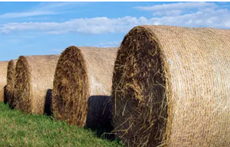
Baling hay and straw in Australia can put serious demands on agricultural equipment and consumables. Dry conditions, rough paddocks, high temperatures and intense sunlight can all contribute to bale damage and wrapping failures. Choosing heavy-duty net wrap can help producers create secure, well-shaped bales while reducing the risk of tearing during baling, handling and storage.
For Australian farmers, the right net wrap is not simply about keeping material together—it is about dependable performance under demanding conditions. Selecting a product designed for agricultural use and suited to local conditions can make every baling run more efficient and reliable.
Why Net Wrap Tears in Australian Conditions
Net wrap can experience considerable stress as it is fed around a bale at speed. Uneven crop density, sharp or abrasive material, incorrect baler settings and rough handling can all increase the likelihood of damage.
Australia’s climate adds another challenge. Strong sunlight and prolonged UV exposure can weaken unsuitable plastic products over time. A quality UV-stabilized bale net wrap is designed to resist UV exposure, making it a practical choice when bales need to remain outdoors before use or transport.
Farmers should also consider how the crop and paddock conditions affect wrapping performance. Dry, brittle stubble or coarse plant material may place more mechanical stress on the net, particularly when baling conditions are less than ideal.
The Benefits of Heavy-Duty Net Wrap
Using heavy-duty net wrap can provide several practical advantages during demanding baling operations.
Better Bale Coverage
Consistent coverage helps hold the bale together and can reduce loose edges or exposed material. Good coverage is particularly important when bales will be moved multiple times after leaving the paddock.
Greater Resistance to Tearing
A robust baling equipment is better equipped to handle tension during application. This can help reduce interruptions caused by torn netting and keep the baling process moving.
Protection During Handling
Bales often move a lot after baling, from paddock collection and transport to storage and feeding. Strong netting helps maintain bale integrity throughout these stages.
Improved Outdoor Durability
For producers storing bales outside, UV resistance matters. UV-stabilized bale net wrap helps it withstand exposure to Australian sunlight, supporting bale protection during outdoor storage.
Choosing the Right Net Wrap for Your Farm
Not every baling operation has the same requirements. Before buying, consider:
● Crop type: Coarse or dense crops may require higher-performance wrapping.
● Baler compatibility: Check that the net dimensions and specifications are compatible with your baler.
● Paddock conditions: Rough ground and abrasive crop residue can increase stress on the wrap.
● Storage requirements: Outdoor storage makes UV resistance especially important.
● Bale handling: Consider how frequently bales will be moved after wrapping.
A dependable heavy-duty net wrap should complement your baler settings and operating conditions, not compensate for poorly adjusted equipment. Correct tension, feeding and bale formation remain important for achieving consistent results.
Built for Tough Australian Baling
Australian farming conditions can change quickly, and wrapping materials need to perform when the paddock is dry, the crop is demanding, and the workload is high. Choosing heavy-duty net wrap designed for agricultural applications can provide greater confidence throughout the baling process.
For farms where bales may spend extended periods outdoors, combining durable construction with UV-stabilized bale net wrap technology can also support better protection against environmental exposure.
Wrap with Confidence
The right net wrap can make a meaningful difference to bale quality, handling and day-to-day baling efficiency. For Australian producers facing demanding conditions, heavy-duty net wrap offers a practical way to improve wrapping reliability and protect valuable forage.
Choose a net wrap suited to your crop, baler and storage conditions, and speak with an agricultural supplier about the best option for your operation before the next baling season.
—
Frequently Asked Questions
1. What is heavy-duty net wrap?
Heavy-duty net wrap is agricultural baling material designed to provide durable bale coverage and withstand the stresses associated with demanding baling and handling conditions.
2. Why is UV stabilisation important?
UV stabilisation helps net wrap resist degradation from prolonged sunlight exposure, which is especially relevant when bales are stored outdoors.
3. Can heavy-duty net wrap prevent all tearing?
No. Product quality matters, but baler settings, crop conditions, feeding, bale density, and handling can all affect the risk of tearing.
4. Is UV-stabilised bale net wrap suitable for Australia?
It can be a useful option for Australian farms, particularly where wrapped bales may be exposed to strong sunlight during outdoor storage.
5. How do I choose the right net wrap?
Consider your crop, baler specifications, bale size, paddock conditions, handling requirements and expected storage environment before selecting a product.