Banquette Seating- Understanding Family-Friendly Designs and Why Adelaide Parents Are Making the Switch

banquette seating

In Adelaide’s bustling suburbs and growing family communities, the way people design their homes is evolving. Parents are no longer just looking for stylish furniture; they want practical solutions that cater to their children’s needs while elevating their living spaces. One design choice gaining momentum is banquette seating—a versatile and family-friendly option that combines comfort, functionality, and style. With its ability to transform kitchens, dining rooms, and even play areas, it’s no surprise that more Adelaide parents are making the switch.

Why Banquette Seating Appeals to Adelaide Families

Families with young children often face challenges when it comes to furniture. Standard dining chairs can feel cramped, are prone to tipping, and don’t always maximise space. In contrast, banquette seating offers a built-in structure that eliminates wobbling chairs and provides a safe, secure spot for kids to sit. The seamless design makes mealtime less stressful while also giving parents peace of mind.

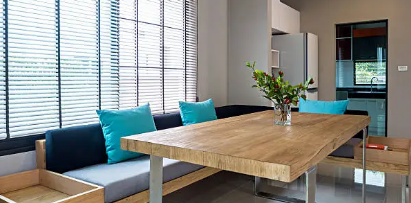
Adelaide’s growing demand for open-plan living also plays a role. Families want furniture that integrates smoothly into modern layouts without adding unnecessary clutter. A well-designed banquette can fit neatly against a wall or under a window, creating an inviting corner for family meals, homework sessions, or casual lounging. This blend of practicality and style is what makes it so attractive to households across the city.

Creating Space in Smaller Adelaide Homes

Another reason parents in Adelaide are opting for this design is its ability to maximise floor space. As newer housing developments feature more compact layouts, families are looking for furniture that doesn’t crowd their living areas. Banquette seating is an excellent solution, especially in homes where every square metre matters. By eliminating the need for multiple chairs, it allows families to seat more people around the table without sacrificing space.

For example, a dining nook fitted with a corner banquette can comfortably seat five or six people, compared to the traditional four chairs around a square table. It not only makes family meals easier but also provides extra room for entertaining guests. With Adelaide’s culture of weekend gatherings and casual get-togethers, the practical benefits are undeniable.

A Safe and Easy-to-Clean Option for Parents

For parents of young children, durability and maintenance are top priorities. Sticky fingers, spilled drinks, and playful energy are all part of family life, which is why banquette seating is often designed with easy-to-clean fabrics and wipeable finishes. Adelaide-based furniture makers frequently recommend vinyl, leather, or stain-resistant textiles, giving parents confidence that their investment will last for years.

Beyond its resilience, the bench-style structure eliminates sharp chair legs and awkward gaps, reducing the risk of accidents in busy households. With children climbing in and out of seats multiple times a day, having a stable and secure piece of furniture offers practical reassurance.

Versatile Designs That Grow with the Family

One of the standout features of banquette seating is its adaptability. Parents in Adelaide are opting for designs that can evolve as their families expand. Storage-integrated banquettes, for instance, offer hidden compartments where toys, school supplies, or even kitchenware can be neatly stored. This clever functionality keeps family spaces organised without compromising on style.

Moreover, custom designs allow families to select sizes, shapes, and finishes that suit their lifestyle. A family with toddlers might opt for low-backed banquettes for safety and comfort, while families with teenagers may lean toward more sophisticated, upholstered designs that complement modern décor. This level of personalisation is particularly appealing to Adelaide homeowners looking for long-term value.

Why the Shift Is Happening Now in Adelaide

The growing popularity of banquette seating among Adelaide parents reflects broader lifestyle changes in the city. More households are embracing flexible interiors that serve multiple purposes—whether it’s dining, studying, or socialising. As families continue to spend more time at home, creating spaces that are both welcoming and functional has become a priority.

Local designers have also contributed to this shift, showcasing banquette styles in home renovation projects across Adelaide. From coastal family homes in Glenelg to modern townhouses in Norwood, the trend showcases a shift toward designs that strike a balance between family living and aesthetic appeal.

Final Thoughts

For Adelaide parents, banquette seating offers more than just a place to sit—it provides a practical, stylish, and family-friendly solution for modern living. From maximising space in smaller homes to ensuring safety and easy maintenance, it’s clear why this design trend is gaining ground. By combining functionality with timeless appeal, banquettes are helping families across the city create homes that work beautifully for both adults and children.


Roofing in Adelaide: Durability, Cost, and Climate Considerations for Your Home

roofing Adelaide

Selecting the right roofing material is a crucial decision for homeowners in Adelaide, SA. The city’s unique climate, characterised by hot summers, occasional storms, and mild winters, necessitates a roofing solution that strikes a balance between durability, cost-effectiveness, and aesthetic appeal. Choosing the best roofing material not only enhances the protection of your home but also improves energy efficiency and long-term value.

Understanding Adelaide’s Climate Impact on Roofing

Adelaide experiences a Mediterranean climate, characterised by hot, dry summers and cooler, wet winters. This variability demands a roofing material that can withstand extreme heat, resist water penetration, and endure occasional storms. Materials that absorb excessive heat can increase indoor temperatures, resulting in higher energy costs, while less resilient options may deteriorate quickly under UV exposure or heavy rainfall.


By evaluating local weather conditions, homeowners can narrow down roofing options to those that offer both longevity and protection. The best roofing material in Adelaide must combine resistance to UV rays, excellent thermal performance, and strong water-shedding capabilities.

Durability: How Long Should Your Roof Last?

One of the primary factors in selecting the best roofing material is durability. A roof is a long-term investment, and the ideal choice should protect your home for decades with minimal maintenance. Common durable roofing materials in Adelaide include:


  • Metal Roofing: Made from steel or aluminium, metal roofs are lightweight, highly durable, and resistant to corrosion when properly coated. They can last 40–60 years and are excellent at reflecting heat, reducing cooling costs during Adelaide’s hot summers.
  • Clay and Concrete Tiles: Both tile types are long-lasting and fire-resistant. Clay tiles are particularly suitable for traditional or Mediterranean-style homes, while concrete tiles provide a cost-effective alternative. Tiles can endure 50+ years but require professional installation due to their weight.
  • Asphalt Shingles: Though less common in Adelaide compared to other regions, asphalt shingles are a budget-friendly option. They offer reasonable durability of 20–30 years and are easy to replace or repair.

Durability should be balanced against maintenance requirements. While metal and tile roofs offer exceptional longevity, they may involve higher upfront costs. Homeowners seeking the best roofing material in Adelaide should weigh initial investment against long-term resilience.

Cost Considerations: Balancing Budget and Value

The cost of roofing materials varies significantly depending on the type, quality, and complexity of installation. While budget constraints are a common concern, selecting the cheapest option may not provide the best long-term value. Consider the following cost factors:


  • Material Costs: Metal roofing and high-quality tiles generally have higher upfront costs but deliver longer lifespan and lower maintenance. Asphalt shingles or composite materials may be less expensive initially, but could require earlier replacement.
  • Installation Expenses: Professional installation ensures longevity and safety. Complex roof designs, steep pitches, or heavy materials such as tiles can increase labour costs.
  • Maintenance and Repairs: The best roofing material in Adelaide should minimise future expenses. Materials prone to cracking, warping, or corrosion may save money upfront, but they can lead to higher maintenance costs over time.


A well-planned investment in quality materials often results in reduced long-term costs, improved home value, and peace of mind. Homeowners should consult experienced Adelaide roofing contractors to obtain accurate quotes and receive tailored advice specific to their needs.

Energy Efficiency and Environmental Impact

In addition to durability and cost, energy efficiency is a critical factor in choosing the best roofing material in Adelaide. Roofing materials with high reflectivity or thermal resistance can help reduce indoor temperatures and lower air conditioning costs during peak summer months. Some options to consider include:


  • Cool Metal Roofs: Coated metal roofs reflect sunlight and minimise heat absorption, improving comfort indoors and reducing electricity bills.
  • Insulated Tiles: Certain clay and concrete tiles offer superior insulation, helping regulate indoor temperatures and enhancing energy efficiency.
  • Sustainable Materials: Recycled metal or eco-friendly composite roofing options reduce environmental impact and contribute to sustainable construction practices.


Adelaide homeowners increasingly value roofing solutions that support energy efficiency and sustainability, making this a key consideration in selecting the best roofing material.


Conclusion:

Selecting the best roofing material in Adelaide, SA, requires careful consideration of climate, durability, cost, energy efficiency, and aesthetics. Metal, clay, and concrete tiles emerge as top contenders for long-lasting performance, while budget-conscious homeowners may consider asphalt shingles or composite options. Beyond material choice, professional installation and maintenance planning are critical to protecting your home and enhancing its value.

Property Management Auckland Housing Market 2025- What Property Managers Need to Know About Tenant Demands

property management Auckland

Auckland’s rental landscape in 2025 is settling into a new rhythm, and property management Auckland teams who read the signals early will be best placed to meet tenant needs and protect owner returns. After several years of rapid rent inflation and tight supply, recent data shows that rents are stabilising in parts of the city, while tenant behaviour shifts toward value, location, lifestyle, and sustainability — four priorities that should shape every manager’s operational playbook.

Market Snapshot: Flattening Rents, Changing Demand

Rents in Auckland climbed during 2023–24 but entered a more measured phase in early 2025: the city’s average weekly rent sits around NZ$691.55 — a modest year-on-year rise and evidence of cooling in apartment-heavy areas. At the same time, market intelligence highlights an increase in rental listings and softer activity in central suburbs, while outer, family-friendly neighbourhoods remain highly sought after. These dynamics mean property managers must be nimble with pricing, advertising, and marketing by micro-market.

What Tenants are Prioritising in 2025

Affordability remains front and centre. Even as national house prices and borrowing conditions shift, many Auckland renters are cost-sensitive and look for properties that deliver predictable value — stable rents, energy efficiency to lower bills, and clear, reliable maintenance standards.

Location and lifestyle are the next key filters: proximity to transport nodes, good schools, and local amenities continues to drive demand for suburbs within easy access to the city’s rapid busways and rail network. The Auckland Plan and urban development policies that promote growth near transit mean transit-adjacent suburbs will continue to attract tenants who prize convenience and time savings.

Eco-living and the quality of homes are rising fast on renters’ checklists. Tenants increasingly ask about insulation, heating, ventilation, and whether a home is energy-efficient — not only for cost reasons, but also because energy-efficient properties are perceived as healthier, safer, and more modern. Performance leasing and green building guidance are helping landlords and managers put measurable sustainability features into listings and tenancy conversations.

Regulatory Backdrop: New Rules to Factor into Decisions

The Residential Tenancies Amendment Act and a suite of 2024–25 tenancy changes have altered notice, pet, and termination rules; many of these changes were phased in from January 2025. Property managers must update standard agreements, communication templates, and operational processes — particularly those related to notice handling and pet clauses — to ensure compliance and minimise dispute risk. Clear, proactive tenancy documentation is now as important as pricing strategy and marketing reach.

How Property Management Teams Should Adapt

Dynamic pricing, localised marketing. Use real-time rental data to set competitive weekly rents by suburb and property type. Central apartments may need more promotional lift while family homes with parking remain in high demand. Responsive, flexible pricing will protect occupancy and owner income.

Sell running-cost savings. Implement energy-efficiency upgrades (such as LED lights, insulation top-ups, and efficient hot water systems) and promote the bill-saving benefits to tenants. Small capital outlays often translate into stronger applications, happier households, and longer tenancies.

Standardise green disclosures. Add simple sustainability details to listings (insulation rating, heating type, recent upgrades). Use model clauses or performance-based lease addenda where appropriate; national guidance exists to help standardise those conversations and build tenant trust.

Refresh tenancy documents and pet policies. Audit all templates against the 2024–25 legal changes and train staff on updated notice and dispute processes. Well-documented, transparent procedures reduce mistrust, minimise risk, and avoid costly tribunal claims.

Upgrade service touchpoints. Tenants expect easy digital access — online rent payments, maintenance requests, and transparent inspection schedules. Investing in tenant portals, simple apps, and clear SLA commitments drives satisfaction and can reduce churn.

Segment offerings. Not all tenants want the same thing. Create productised rental options — e.g., “economy” units advertised for a low weekly cost with minimal upgrades, “family-ready” listings emphasising space, safety, and schools, and “eco-premium” units that justify a higher rent through efficiency, comfort, and greener features.

Looking Ahead: Balance and Opportunity

Macro forecasts indicate a modest housing price recovery as interest rates ease, which is expected to influence investor behaviour and supply in city markets. For property managers in Auckland, the opportunity in 2025 is to combine legal compliance, targeted pricing, and tangible tenant-facing improvements (especially around energy efficiency, comfort, and location-based amenities) to keep occupancy high and relationships strong. Proactive, data-driven managers who highlight value, convenience, and sustainability will win tenant loyalty in the city’s evolving rental market.

VW Polo Parts- How Adelaide Car Clubs Source Rare Volkswagen Polo Parts

VW Polo parts

Car enthusiasts in Adelaide know that passion for the Volkswagen Polo runs deep. Whether it’s a pristine classic model or a more modern edition, finding VW Polo parts—especially rare or discontinued ones—can be both a challenge and a rewarding journey. Local car clubs across South Australia have developed clever strategies and networks to secure these hard-to-find components, ensuring Polo owners can keep their vehicles roadworthy and authentic.

The Role of Adelaide Car Clubs in the Polo Community

Adelaide boasts a strong car enthusiast culture, with several clubs dedicated to European vehicles, including Volkswagen. These clubs serve as more than just social groups; they are active hubs for knowledge, networking, and resource-sharing. For Polo owners, club membership often means having access to insider information on where to locate elusive parts. By pooling collective expertise, car clubs in Adelaide can reduce the frustration of searching for rare items while strengthening community bonds.

Tapping Into International Supply Chains

One of the ways Adelaide car clubs source rare parts is by looking beyond Australia. Many Polo models sold in Europe or Asia never reached the Australian market, making sourcing locally a challenging task. Clubs often establish connections with international suppliers and breakers’ yards to import authentic parts directly. Shipping may take time, but the assurance of genuine Volkswagen quality makes it worthwhile.

In particular, European dismantlers often stock discontinued items, from interior trim to mechanical components. Adelaide car clubs leverage these overseas networks to keep members’ vehicles running smoothly, showing how global collaboration supports local passion for VW Polo parts.

Salvage Yards and Local Wreckers

Closer to home, Adelaide’s salvage yards play a vital role in uncovering rare Volkswagen Polo components. Car clubs frequently organise “parts-hunting days,” where members visit local wreckers together. These trips are not only productive but also foster camaraderie among enthusiasts.

Adelaide wreckers often hold hidden gems—whether it’s a rare gearbox, a hard-to-find headlight assembly, or a discontinued trim piece. Clubs maintain close relationships with these businesses, sometimes even securing priority access when a Polo becomes available. This hands-on approach ensures that local supply remains a reliable resource.

Online Forums and Digital Marketplaces

The digital age has revolutionised how Adelaide car clubs track down parts. Online forums, dedicated Facebook groups, and specialised websites allow Polo enthusiasts to exchange leads and verify the authenticity of parts before making a purchase. Members of Adelaide car clubs are often active in these digital communities, cross-referencing information to avoid counterfeit or low-quality items.

Platforms such as Gumtree and eBay Australia also remain popular hunting grounds. When rare Polo parts pop up, word spreads quickly through club networks, giving members a better chance of securing them before they disappear. These online tools complement the traditional face-to-face approach of club gatherings, creating a modern balance between digital convenience and personal trust.

Club-Specific Swap Meets and Events

Adelaide car clubs often organise swap meets and social gatherings that double as opportunities to trade or sell parts. These events are particularly valuable for sourcing discontinued accessories or components that members may have held onto for years. For Polo owners, attending such events is often the difference between endlessly searching online and walking away with the exact part they need.

Beyond the parts exchange, these meets also allow members to showcase their vehicles, learn repair tips, and strengthen ties within the Volkswagen community. For many, the ability to find rare VW Polo parts is just one benefit of participating in a thriving local network.

Collaborations with Specialist Mechanics

Adelaide’s independent European car specialists often work hand-in-hand with car clubs. These workshops not only provide expert advice on repairs but also tap into their own supply chains to source rare parts. Club members benefit from these relationships, gaining access to trusted mechanics who understand the quirks of the Polo.

Keeping Rare Polos on Adelaide’s Roads

Ultimately, the work of Adelaide car clubs goes far beyond sourcing parts—it preserves automotive heritage. The Polo may not be as common as other models on South Australian roads, but dedicated enthusiasts ensure it continues to turn heads at local meets and events. By combining international sourcing, local salvage efforts, online networking, and community events, these clubs keep rare Polos alive and thriving.

For Adelaide drivers, being part of a car club is not just about access to resources—it’s about belonging to a community that shares the same pride and determination to keep the Volkswagen Polo on the road. And in a city where motoring culture is cherished, that commitment ensures that rare vehicles and their parts are never truly lost.

VALD Precision Testing for Injury Risk Reduction

VALD

Injury prevention is one of the most critical elements of sports performance, workplace health, and rehabilitation. For athletes, even a single injury can derail months of training and competition. For workers, the consequences can affect both livelihood and long-term well-being. To reduce these risks, precision tools and advanced measurement systems are increasingly being used. Among the most effective of these is VALD technology—an integrated suite of systems that provides clinicians, coaches, and health professionals with accurate, data-driven insights into human movement and performance.

In Adelaide, where both sport and healthcare thrive, this technology is reshaping the way injury risks are assessed and managed. From elite sports clubs to physiotherapy practices and occupational health programs, VALD tools are helping professionals create safer, smarter, and more effective injury-prevention strategies.

What is VALD Technology?

VALD technology encompasses a range of human-measurement tools designed to capture objective data about strength, biomechanics, and movement quality. These include force plates for assessing balance and power, handheld dynamometers for muscle strength testing, and motion analysis systems for tracking mobility and mechanics.

Unlike traditional approaches that rely heavily on observation or subjective judgment, VALD systems provide quantifiable, repeatable measurements. It allows Adelaide practitioners to:

Detect injury risks before they escalate into serious problems

Identify weaknesses or asymmetries in movement and strength

Build targeted injury-prevention and rehabilitation programs

Track measurable improvements over time

The Role of Precision Testing in Injury Prevention

Injury prevention strategies are far more effective when built on measurable data rather than guesswork. Precision testing offers a clear snapshot of an individual’s physical profile, highlighting areas that need attention.

For instance, VALD systems can uncover limb imbalances, deficits in mobility, or faulty landing mechanics—all of which are major contributors to injury risk. By spotting these vulnerabilities early, Adelaide’s clinicians and coaches can design corrective programs before an injury occurs, ensuring athletes and workers remain safe, strong, and active.

VALD Technology in Adelaide’s Sports and Health Landscape

Adelaide is a city deeply invested in sports excellence, from grassroots participation to professional competition in football, cricket, basketball, and beyond. Protecting athletes from preventable injuries has become a top priority for clubs and organisations. With access to VALD technology, sports scientists and coaches now have powerful tools to monitor athletes more effectively and fine-tune training programs with injury reduction in mind.

Beyond the sporting arena, the same technology is being widely adopted in physiotherapy clinics, hospitals, and occupational health centres across Adelaide. Here, it plays an equally vital role in preventing workplace injuries and supporting safe return-to-work programs. By assessing physical readiness, VALD systems help ensure workers can resume duties with minimal risk of reinjury.

Benefits of VALD Technology for Injury Risk Reduction

Objective Data for Smarter Decisions

Quantifiable insights remove guesswork, helping health professionals and coaches make better decisions about rehabilitation, training loads, and return-to-play criteria.

Personalised Prevention Plans

By pinpointing each individual’s unique strengths and weaknesses, programs can be tailored for maximum effectiveness.

Increased Confidence in Recovery

Seeing progress in numbers boosts the confidence of athletes and patients, motivating them to stay committed to rehabilitation and training.

Reduced Long-Term Costs

Preventing injuries before they occur not only safeguards health and performance but also saves on medical expenses, downtime, and productivity losses.

Why Adelaide is Embracing VALD Technology

Adelaide’s culture of innovation in healthcare and sports science makes it an ideal environment for the use of advanced measurement tools. With respected research institutions, progressive clinics, and strong community engagement in sport, the city is quick to adopt evidence-based solutions.

Local professionals are increasingly incorporating VALD technology into their everyday practice, ensuring that Adelaide’s athletes, patients, and workers are supported with world-class strategies for injury prevention.

The Future of Injury Prevention in Adelaide

As the demand for data-driven approaches continues to grow, VALD technology is likely to become standard practice in more clinics, hospitals, and sporting organisations across Adelaide. By integrating precision testing into everyday practice, the city is setting a benchmark for how technology and science can combine to create healthier, more resilient communities.

Conclusion

Injury prevention has shifted from subjective assessments to objective, evidence-based methods. VALD technology sits at the centre of this transformation, equipping professionals with the ability to detect risks early, design tailored interventions, and monitor recovery with precision.

For Adelaide, this means stronger athletes, healthier workers, and a community that benefits from cutting-edge human performance testing. Whether on the sporting field, in the workplace, or during rehabilitation, VALD technology ensures that every decision is backed by measurable insights—reducing injuries and enhancing overall wellbeing.

Silage Covers: Reducing Losses and Maximising Yield

silage covers

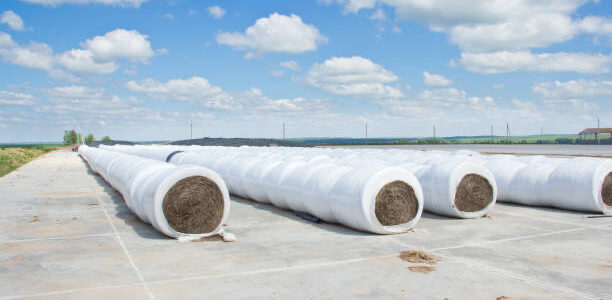
For modern farmers in Australia, protecting valuable livestock feed is a top priority. Silage plays a crucial role in providing high-energy, nutrient-rich feed for cattle, sheep, and other farm animals. However, without proper storage, silage can lose quality, leading to wasted feed, reduced nutrition, and decreased farm productivity. Silage covers are a practical solution that helps reduce losses, preserve nutrients, and maximise yield, ensuring that farmers get the most out of their feed investments.

Why Silage Losses Happen

Silage is vulnerable to several factors that can degrade its quality over time:


  • Exposure to oxygen: When silage comes into contact with air, aerobic bacteria grow, causing spoilage and nutrient loss.
  • Moisture and rain: Excess water can create ideal conditions for mold, reducing feed palatability and nutritional value.
  • Pests and wildlife: Birds, rodents, and insects can damage silage, contaminating it and causing losses.
  • UV exposure: Sunlight can break down essential nutrients in silage, reducing its overall quality.


These factors not only lead to feed wastage but also increase the cost of livestock nutrition and reduce farm efficiency. Implementing silage covers is an effective way to mitigate these risks and maintain feed quality throughout the year.

How Silage Covers Reduce Losses


1. Creating an Airtight Seal

High-quality silage covers form a protective barrier that prevents oxygen from entering the silage pile. By maintaining anaerobic conditions, farmers can reduce aerobic spoilage and retain the feed’s nutritional value for longer periods. This airtight environment also helps preserve the natural fermentation process, which is critical for producing high-quality silage.

2. Protecting Against Moisture

Water infiltration can accelerate spoilage, promoting mold and bacterial growth. Silage covers prevent rainwater and runoff from contaminating silage, ensuring the proper moisture content is maintained and losses are minimised. By reducing moisture damage, farmers can maintain the feed’s consistency and prevent soft spots that animals might avoid eating.

3. Keeping Pests at Bay

Animals and insects can damage stored silage and spread contamination. Securing silage with durable silage covers helps keep pests out, reducing physical loss and preserving the feed’s quality. Farmers who use covers effectively often see fewer problems with rodents, birds, and other wildlife, which directly translates into reduced feed wastage and lower replacement costs.

4. Shielding from UV Damage

Exposure to sunlight can degrade vitamins and other nutrients. UV-resistant silage covers protect the feed from harmful rays, helping maintain maximum nutritional value and feed efficiency. This is especially important in regions with strong sun exposure, where uncovered silage can deteriorate much faster.

Best Practices for Maximising Yield

To ensure silage covers are as effective as possible, farmers should follow these best practices:


  • Choose the right cover material: Look for heavy-duty, tear-resistant, and UV-protected covers. Multi-layer films provide added protection for long-term storage.
  • Properly secure covers: Use weights, sandbags, or tires to seal edges and prevent air and water from entering.
  • Inspect regularly: Check for holes, tears, or dislodged sections and repair them promptly to avoid nutrient loss.
  • Combine with good silage management: Proper harvesting, chopping, and packing techniques complement silage covers, enhancing feed preservation.

Benefits of Using Silage Covers


  1. Reduced Feed Wastage: By minimising spoilage and contamination, farmers can make the most of their silage, saving money and resources.
  2. Enhanced Livestock Nutrition: Preserving nutrients ensures animals receive consistent, high-quality feed, supporting growth, milk production, and overall health.
  3. Improved Farm Efficiency: Less feed loss means fewer purchases of replacement feed, reducing operational costs and improving farm productivity.
  4. Sustainable Farming: Reducing waste also contributes to more environmentally responsible farming practices, lowering the carbon footprint of feed production.

Innovative Solutions in Silage Covers

Modern silage covers come in a variety of designs that make protecting silage easier and more efficient:


  • Biodegradable covers: These eco-friendly options reduce plastic waste while providing effective protection.
  • Multi-layer films: Designed to create optimal anaerobic conditions, they preserve nutrients and extend storage life.
  • Heavy-duty UV-resistant covers: Perfect for long-term storage and protection against extreme weather conditions.
  • Custom-sized covers: Farmers can now purchase covers tailored to specific silage pile dimensions, ensuring a snug fit and minimal air exposure.

Conclusion

Reducing losses and maximising yield is essential for every modern farm in Australia. Silage covers provide a reliable, cost-effective way to protect valuable livestock feed from oxygen, moisture, pests, and UV damage. By maintaining the nutritional quality of silage, farmers can ensure their animals receive high-quality feed, reduce feed wastage, and improve overall farm efficiency.


Investing in high-quality silage covers is more than just protecting feed—it’s a strategic step toward sustainable, profitable, and efficient farming. Farmers who use silage covers effectively enjoy better livestock health, lower costs, and higher yields, making them an indispensable tool in modern agricultural practices.

Invisalign Adelaide Common Myths About Invisalign in Adelaide – Debunked

Invisalign Adelaide

Despite its widespread adoption, misconceptions about Invisalign persist, often deterring individuals from exploring this innovative orthodontic treatment. Invisalign Adelaide has become a popular choice for residents seeking a modern and discreet solution to straighten their teeth. If you live in Adelaide and are considering clear aligners, it’s time to separate fact from fiction. This guide addresses common myths about Invisalign in Adelaide and provides accurate insights to help you make an informed decision.

Myth 1: Invisalign is Only for Minor Teeth Adjustments

A common misconception is that Invisalign is only effective for minor teeth misalignment. Many people believe that traditional braces are the only solution for significant crowding or bite issues. However, advancements in aligner technology mean that Invisalign can now correct a wide range of orthodontic problems, including overbites, underbites, crossbites, gaps, and severe crowding.

Adelaide orthodontists are equipped with the latest Invisalign technology, ensuring that treatment plans are customised for each patient. Through digital scans and 3D imaging, specialists can map out precise movements for teeth, making Invisalign a viable option even for complex cases.

Myth 2: Treatment Takes Too Long

Some potential patients hesitate to try Invisalign, thinking the treatment will be lengthy and inconvenient. While treatment duration varies depending on the complexity of each case, many adults in Adelaide experience noticeable results within 12 to 18 months. In fact, certain minor cases can see improvements in as little as six months.

Unlike traditional braces, Invisalign aligners are removable, allowing for easier maintenance and fewer emergency visits. Adelaide residents can attend regular check-ups while still maintaining their daily routines without frequent disruptions.

Myth 3: Invisalign is Uncomfortable

A common fear is that Invisalign will cause significant discomfort. While any orthodontic treatment involves some adjustment, Invisalign is designed for comfort. Each set of aligners is custom-made from smooth, medical-grade plastic that fits snugly over your teeth.

Mild pressure is applied to guide teeth into place, which can cause temporary soreness, particularly when switching to a new aligner. This discomfort is generally less severe than the irritation and sores often associated with traditional braces. Many Adelaide patients report that initial adjustment is brief and manageable, making Invisalign a comfortable alternative.

Myth 4: Invisalign is Too Expensive

Cost is often cited as a barrier, but the perception that Invisalign is prohibitively expensive is misleading. While the price can vary depending on the complexity of treatment, many Adelaide dental clinics offer flexible payment plans, making Invisalign a more accessible option for a wide range of patients.

Moreover, Invisalign can be cost-effective in the long run. Because aligners are removable, patients avoid many dental issues commonly caused by food getting trapped in braces, potentially reducing future dental costs. Many Adelaide patients find that the investment in Invisalign is worthwhile for the confidence and oral health benefits gained.

Myth 5: Aligners Are Hard to Maintain

Some individuals believe that Invisalign requires tedious care and constant attention. In reality, maintaining aligners is straightforward. Aligners should be cleaned daily with a gentle brush and lukewarm water. Adelaide dental practices often provide clear instructions and cleaning kits to make upkeep simple.

The convenience of removable aligners also allows patients to maintain normal oral hygiene practices, such as brushing and flossing, without interference from brackets or wires. This often results in improved overall dental health compared to traditional braces.

Myth 6: Invisalign Isn’t Effective for Adults

Another persistent myth is that Invisalign is only suitable for teenagers. Adelaide adults are increasingly choosing clear aligners because they offer a discreet and professional solution for correcting misaligned teeth. Adults benefit from tailored treatment plans and digital monitoring, ensuring effective results without compromising aesthetics or lifestyle.

In fact, adult patients often experience better compliance, as they understand the importance of wearing aligners for the recommended 20–22 hours per day. Many Adelaide professionals prefer Invisalign for its ability to correct teeth alignment while remaining virtually invisible in social and work settings.

Making an Informed Choice in Adelaide

Debunking these myths shows that Invisalign Adelaide is a versatile, comfortable, and effective treatment option for people of all ages. If you’re considering straightening your teeth, consulting with a certified Invisalign provider in Adelaide is the best way to determine your eligibility and receive a personalised treatment plan.

With accurate information and professional guidance, Adelaide residents can confidently choose Invisalign and enjoy a modern approach to orthodontics that combines aesthetics, comfort, and convenience. Don’t let misinformation prevent you from achieving a healthier, more confident smile.

Orthotics Adelaide The Benefits of Custom Orthotics for Pain Relief and Performance

orthotics Adelaide

Foot health is an essential yet often overlooked aspect of overall well-being. Many people suffer from chronic foot pain, poor posture, or reduced mobility without realising that the root cause may be structural issues within the feet. In Adelaide, SA, more individuals are turning to custom orthotics as a solution for both pain relief and improved performance. These personalised devices offer significant benefits, ranging from alleviating discomfort to enhancing athletic ability and supporting long-term musculoskeletal health.

Understanding the Role of Custom Orthotics

Custom orthotics are specially designed shoe inserts tailored to the unique structure of an individual’s feet. Unlike over-the-counter insoles, which provide a general level of cushioning, custom orthotics are crafted based on precise measurements and assessments of foot shape, gait, and weight distribution. This individualised approach ensures that every step is supported optimally, addressing specific issues such as overpronation, flat feet, or high arches.

Foot specialists in Adelaide utilise advanced techniques, including 3D scanning and gait analysis, to create orthotics that properly align the foot with the ankle, knee, and hip. This alignment is crucial because improper foot mechanics can lead to pain and strain not only in the feet but also in the lower back and other parts of the body.

Pain Relief Through Personalised Support

One of the most significant advantages of custom orthotics is their ability to relieve pain. Common conditions that benefit from orthotic support include plantar fasciitis, heel spurs, bunions, and metatarsalgia. By redistributing pressure across the foot, custom orthotics help reduce inflammation and prevent the worsening of these conditions.

Patients in Adelaide have reported dramatic improvements in daily comfort, especially those who spend long hours standing or walking. For instance, healthcare professionals and retail workers often experience reduced foot fatigue and less discomfort in their ankles and knees when using orthotics. The targeted support provided by custom orthotics can also decrease reliance on pain medications or other temporary remedies, offering a long-term solution rather than a quick fix.

Enhancing Athletic Performance

Custom orthotics are not only for those with pain or medical conditions—they are also valuable tools for athletes and active individuals. Proper foot alignment ensures that the body moves efficiently, improving balance, stability, and energy transfer during physical activity. Runners, cyclists, and gym enthusiasts can particularly benefit from orthotics designed to optimise gait and reduce the risk of injuries such as shin splints, stress fractures, or tendonitis.

In sports where precision and endurance are critical, even minor imbalances in foot mechanics can significantly affect performance. By correcting these imbalances, custom orthotics allow athletes in Adelaide to train harder, recover faster, and maintain peak performance levels with reduced risk of injury.

Preventative Benefits for Long-Term Foot Health

Investing in custom orthotics is not only a reactive solution but also a proactive measure for long-term foot health. Feet endure immense pressure daily, and slight misalignments can gradually lead to chronic problems. Orthotics help distribute weight evenly, improve posture, and reduce stress on joints, potentially preventing future complications such as arthritis or chronic back pain.

Adelaide residents who adopt custom orthotics early, particularly those with a hereditary predisposition to foot issues or those involved in high-impact activities, can maintain their overall mobility and quality of life as they age. Orthotics act as a supportive foundation that allows natural foot function while minimising wear and tear.

The Assessment and Fitting Process

A key aspect of the effectiveness of custom orthotics lies in the assessment and fitting process. Specialists in Adelaide typically begin with a comprehensive foot examination, which may include pressure mapping, gait analysis, and biomechanical evaluation. This detailed assessment identifies areas of imbalance or abnormal movement patterns that could contribute to pain or injury.

Once the analysis is complete, the orthotics are custom-fabricated using high-quality materials suited to the patient’s needs, whether that requires extra cushioning, rigid support, or a combination of both. The fitting process is followed by adjustments to ensure comfort and optimal function.

Conclusion:

The huge importance of foot health cannot be overstated. Chronic pain, poor posture, and reduced mobility can significantly impact daily life and overall well-being. In Adelaide, SA, custom orthotics have emerged as a highly effective solution for both pain relief and performance enhancement. By addressing individual foot mechanics, these personalised devices alleviate discomfort, prevent injuries, and improve functional movement for people of all ages and activity levels.

Emergency Dentist Adelaide What to Expect During Your First Emergency Dental Visit

emergency dentist Adelaide

Dental emergencies can strike unexpectedly, leaving you in pain and uncertain about the next steps. Whether it’s a sudden toothache, a broken tooth, or an infection, knowing what to expect during your first visit to an emergency dentist Adelaide can help ease anxiety and ensure you receive timely care. Adelaide residents have access to skilled professionals who prioritise patient comfort, efficient diagnosis, and effective treatment, even during urgent situations.

Understanding the Role of an Emergency Dentist

Unlike regular dental visits that focus on routine check-ups or preventive care, an emergency dentist in Adelaide is trained to address urgent dental issues. These specialists can quickly assess the severity of your condition, relieve pain, and prevent further complications. Common emergencies include:

  • Severe toothaches or abscesses

  • Chipped, cracked, or knocked-out teeth

  • Gum infections and swelling

  • Lost dental fillings or crowns

  • Trauma from accidents

Recognising the difference between a non-urgent dental problem and a genuine emergency is crucial. If you’re experiencing persistent pain, swelling, or bleeding, contacting an emergency dentist Adelaide promptly is the safest approach.

Preparing for Your First Emergency Appointment

When visiting an emergency dental clinic in Adelaide for the first time, preparation helps streamline the process. Here’s what you can do:

  1. Gather your medical history – Bring any relevant information about medications, allergies, or prior dental procedures.

  2. Document the problem – Note when the pain started and any symptoms, which helps the dentist make an accurate diagnosis.

  3. Arrive early – Emergency dental clinics often operate on tight schedules; arriving promptly ensures you receive immediate attention.

  4. Bring identification and payment – Most clinics require ID and may ask for insurance information or payment upfront.

Adelaide clinics are well-equipped for emergencies, so bringing only essential documents is usually sufficient. Clear communication with the dental staff can significantly improve your first visit experience.

What Happens During the Examination

Upon arrival, the dental team will conduct an initial assessment. This typically includes:

  • Medical and dental history review – Understanding your health background helps identify risks and informs treatment options.

  • Visual and tactile examination – The dentist examines the affected teeth, gums, and surrounding tissues.

  • Diagnostic imaging – X-rays or digital scans may be used to detect fractures, infections, or abscesses not visible to the naked eye.

  • Pain assessment – Evaluating the intensity and nature of your pain guides immediate interventions.

By the end of this stage, the emergency dentist Adelaide will provide a clear diagnosis and outline the treatment plan, ensuring you understand each step.

Immediate Treatment Options

Treatment during an emergency visit focuses on relieving pain, addressing the underlying issue, and preventing further damage. Common procedures may include:

  • Tooth extraction or repair – For severely damaged teeth, the dentist may perform a repair, such as a filling or crown, or extraction if necessary.

  • Medication – Antibiotics or painkillers may be prescribed for infections or severe discomfort.

  • Temporary solutions – In some cases, temporary restorations are applied until a follow-up visit for permanent treatment.

  • Advice on at-home care – Dentists provide guidance on managing pain, swelling, or sensitivity after leaving the clinic.

Emergency dental care in Adelaide prioritises patient comfort and swift intervention, minimising the risk of long-term complications.

Follow-Up and Preventive Measures

After your initial emergency visit, follow-up care is crucial. The dentist may schedule appointments to complete restorative treatments, monitor healing, or conduct preventive check-ups. Adelaide clinics often emphasise education on maintaining oral health to avoid future emergencies. Key preventive tips include:

  • Practising consistent oral hygiene

  • Wearing protective gear during sports

  • Attending regular dental check-ups

  • Avoiding foods that can damage teeth

Following these recommendations can significantly reduce the likelihood of another urgent dental episode.

Choosing the Right Emergency Dentist in Adelaide

Selecting a reputable emergency dentist Adelaide ensures you receive quality care when it matters most. Look for clinics with experienced staff, advanced equipment, and a reputation for prompt and compassionate service. Local online reviews and recommendations from friends or family can also guide your decision.

Visiting an emergency dentist for the first time may seem intimidating, but understanding the process can ease stress and help you focus on recovery. Adelaide’s emergency dental services are designed to provide rapid, professional, and effective care, ensuring that dental emergencies are managed safely and confidently. Being prepared, communicating clearly with your dentist, and following post-visit instructions are the keys to a smooth and successful first experience.

Net Wrap How to Store Net Wrap Properly in Australia’s Varied Climates

net wrap

In Australia’s diverse climate zones, proper storage of net wrap is essential for maintaining its quality and longevity. Whether you operate in the humid tropics of Queensland, the temperate south-east, or the arid interior, the way you store your net wrap can directly impact its performance in the field. Net wrap is a critical material used by Australian farmers for securing hay bales efficiently, and improper storage risks damage, leading to wasted resources and reduced bale protection. This article explores best practices to store net wrap effectively across Australia’s varied climates, ensuring that it remains in top condition and delivers optimal results year-round.

Understanding Australia’s Climate Impact on Net Wrap Storage

Australia’s climate varies dramatically, from tropical wet and dry seasons in the north to Mediterranean climates in the south and desert conditions in the central regions. These differences mean that storage methods effective in one region may be unsuitable in another. For example, excessive moisture in tropical climates can promote mould and degrade plastic materials, while intense UV exposure in arid areas can weaken net wrap fibres over time. Even temperate zones require protection from fluctuating temperatures and occasional rainfall.

Recognising these climatic challenges is the first step towards adopting storage strategies that preserve net wrap’s strength and flexibility, ultimately reducing spoilage and improving bale protection.

Choose the Right Storage Location

Selecting the right storage site is crucial. Ideally, net wrap should be stored in a clean, dry, and well-ventilated area protected from direct sunlight and harsh weather. In coastal and tropical areas, where humidity is high, an enclosed shed or a covered barn with good airflow helps prevent moisture buildup, which can lead to mould growth and deterioration of the net wrap’s material.

In contrast, farmers in arid or semi-arid areas should ensure that net wrap is shielded from direct UV rays. Even though plastic net wrap is often UV-stabilised, prolonged exposure to harsh sunlight can cause brittleness and reduce its lifespan. Use of UV-resistant tarps or storing net wrap indoors can mitigate this risk.

Elevate Net Wrap Rolls Off the Ground

Australia’s occasional heavy rains, especially in eastern regions, make it essential to keep net wrap rolls off the ground. Ground contact can lead to water absorption from wet soil, causing damage to the edges and inner layers of the rolls. Placing net wrap on pallets, wooden platforms, or metal racks ensures air circulation underneath and helps avoid contamination from dirt, rodents, or insects.

Elevating the net wrap also simplifies inventory management and reduces handling damage during transport within storage facilities.

Maintain Optimal Temperature and Humidity Levels

Fluctuating temperatures can cause condensation inside packaging, especially if rolls are stored in sealed plastic wrap and moved between cold and warm environments. In southern Australia’s temperate regions, where winters can be cool and summers warm, it’s wise to allow net wrap to acclimatise gradually to the storage area’s temperature before unsealing it.

Humidity control is another important factor. While net wrap materials are generally moisture-resistant, excessive humidity combined with poor ventilation can foster microbial growth on the surface. Installing ventilation fans or using dehumidifiers in enclosed storage spaces helps maintain an environment that preserves net wrap integrity.

Practice First-In, First-Out (FIFO) Inventory Management

To avoid ageing net wrap sitting unused and degrading over time, implement a First-In, First-Out (FIFO) system. This means using older stock before new deliveries. Proper inventory rotation is especially important in Australia’s warm climates, where heat and sunlight can accelerate material breakdown.

Label rolls clearly with delivery or manufacture dates, and store them in an organised manner. This simple practice reduces waste and ensures that the net wrap you use always performs at its best.

Protect Net Wrap Packaging and Avoid Damage

The packaging that the net wrap arrives in often provides an initial layer of protection from dust, moisture, and sunlight. Avoid removing this packaging prematurely. If the packaging becomes damaged, consider rewrapping the rolls with heavy-duty plastic sheeting or UV-resistant covers.

Additionally, handle net wrap rolls carefully during transport and storage to prevent tears, punctures, or abrasions. Damaged net wrap can fail when applied to bales, leading to spoilage and additional costs.

Seasonal Storage Tips for Different Regions

  • Tropical Queensland and Northern Australia: Use sealed, air-conditioned storage if possible. Ensure adequate ventilation and keep rolls away from areas prone to flooding. UV protection is critical, but secondary to moisture control here.
  • Southern Australia and Victoria: Storage sheds with insulation can help mitigate temperature swings. Ensure protection against occasional heavy rains and high humidity during the winter months.
  • Arid and Semi-Arid Interior: Maximise shade and UV protection. Use tarps or enclosed barns to shield the net wrap from dust and sun damage. Humidity is less of a concern, but dust accumulation can be an issue—regular cleaning of storage areas is recommended.

Conclusion

Proper storage of net wrap in Australia requires a strategic approach tailored to local climate conditions. By choosing the right storage location, elevating rolls, controlling humidity and temperature, practising good inventory management, and protecting packaging, Australian farmers can preserve their net wrap investment and enhance hay bale quality. Recognising and adapting to Australia’s varied environments ensures net wrap performs reliably, supporting productive and efficient farming operations all year round.

With careful storage, net wrap continues to be a trusted ally in protecting feed, improving bale integrity, and ultimately contributing to the sustainability of Australian agriculture.