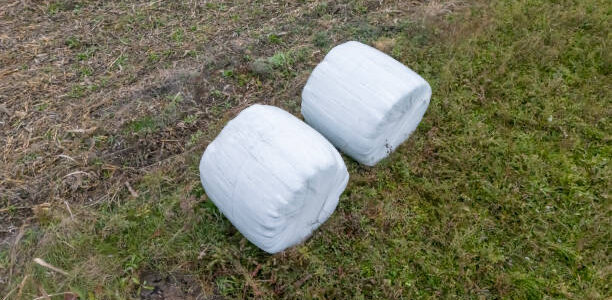
In Australia’s diverse climate zones, proper storage of net wrap is essential for maintaining its quality and longevity. Whether you operate in the humid tropics of Queensland, the temperate south-east, or the arid interior, the way you store your net wrap can directly impact its performance in the field. Net wrap is a critical material used by Australian farmers for securing hay bales efficiently, and improper storage risks damage, leading to wasted resources and reduced bale protection. This article explores best practices to store net wrap effectively across Australia’s varied climates, ensuring that it remains in top condition and delivers optimal results year-round.
Understanding Australia’s Climate Impact on Net Wrap Storage
Australia’s climate varies dramatically, from tropical wet and dry seasons in the north to Mediterranean climates in the south and desert conditions in the central regions. These differences mean that storage methods effective in one region may be unsuitable in another. For example, excessive moisture in tropical climates can promote mould and degrade plastic materials, while intense UV exposure in arid areas can weaken net wrap fibres over time. Even temperate zones require protection from fluctuating temperatures and occasional rainfall.
Recognising these climatic challenges is the first step towards adopting storage strategies that preserve net wrap’s strength and flexibility, ultimately reducing spoilage and improving bale protection.
Choose the Right Storage Location
Selecting the right storage site is crucial. Ideally, net wrap should be stored in a clean, dry, and well-ventilated area protected from direct sunlight and harsh weather. In coastal and tropical areas, where humidity is high, an enclosed shed or a covered barn with good airflow helps prevent moisture buildup, which can lead to mould growth and deterioration of the net wrap’s material.
In contrast, farmers in arid or semi-arid areas should ensure that net wrap is shielded from direct UV rays. Even though plastic net wrap is often UV-stabilised, prolonged exposure to harsh sunlight can cause brittleness and reduce its lifespan. Use of UV-resistant tarps or storing net wrap indoors can mitigate this risk.
Elevate Net Wrap Rolls Off the Ground
Australia’s occasional heavy rains, especially in eastern regions, make it essential to keep net wrap rolls off the ground. Ground contact can lead to water absorption from wet soil, causing damage to the edges and inner layers of the rolls. Placing net wrap on pallets, wooden platforms, or metal racks ensures air circulation underneath and helps avoid contamination from dirt, rodents, or insects.
Elevating the net wrap also simplifies inventory management and reduces handling damage during transport within storage facilities.
Maintain Optimal Temperature and Humidity Levels
Fluctuating temperatures can cause condensation inside packaging, especially if rolls are stored in sealed plastic wrap and moved between cold and warm environments. In southern Australia’s temperate regions, where winters can be cool and summers warm, it’s wise to allow net wrap to acclimatise gradually to the storage area’s temperature before unsealing it.
Humidity control is another important factor. While net wrap materials are generally moisture-resistant, excessive humidity combined with poor ventilation can foster microbial growth on the surface. Installing ventilation fans or using dehumidifiers in enclosed storage spaces helps maintain an environment that preserves net wrap integrity.
Practice First-In, First-Out (FIFO) Inventory Management
To avoid ageing net wrap sitting unused and degrading over time, implement a First-In, First-Out (FIFO) system. This means using older stock before new deliveries. Proper inventory rotation is especially important in Australia’s warm climates, where heat and sunlight can accelerate material breakdown.
Label rolls clearly with delivery or manufacture dates, and store them in an organised manner. This simple practice reduces waste and ensures that the net wrap you use always performs at its best.
Protect Net Wrap Packaging and Avoid Damage
The packaging that the net wrap arrives in often provides an initial layer of protection from dust, moisture, and sunlight. Avoid removing this packaging prematurely. If the packaging becomes damaged, consider rewrapping the rolls with heavy-duty plastic sheeting or UV-resistant covers.
Additionally, handle net wrap rolls carefully during transport and storage to prevent tears, punctures, or abrasions. Damaged net wrap can fail when applied to bales, leading to spoilage and additional costs.
Seasonal Storage Tips for Different Regions
- Tropical Queensland and Northern Australia: Use sealed, air-conditioned storage if possible. Ensure adequate ventilation and keep rolls away from areas prone to flooding. UV protection is critical, but secondary to moisture control here.
- Southern Australia and Victoria: Storage sheds with insulation can help mitigate temperature swings. Ensure protection against occasional heavy rains and high humidity during the winter months.
- Arid and Semi-Arid Interior: Maximise shade and UV protection. Use tarps or enclosed barns to shield the net wrap from dust and sun damage. Humidity is less of a concern, but dust accumulation can be an issue—regular cleaning of storage areas is recommended.
Conclusion
Proper storage of net wrap in Australia requires a strategic approach tailored to local climate conditions. By choosing the right storage location, elevating rolls, controlling humidity and temperature, practising good inventory management, and protecting packaging, Australian farmers can preserve their net wrap investment and enhance hay bale quality. Recognising and adapting to Australia’s varied environments ensures net wrap performs reliably, supporting productive and efficient farming operations all year round.
With careful storage, net wrap continues to be a trusted ally in protecting feed, improving bale integrity, and ultimately contributing to the sustainability of Australian agriculture.
 Reyenvas