Shockwave Therapy Side Effects’ A Complete Adelaide Patient Guide to Safety, Risks, and Recovery Expectations

shockwave therapy

Shockwave therapy is increasingly used in musculoskeletal and sports injury rehabilitation across clinics in Adelaide. It is commonly recommended for conditions such as plantar fasciitis, Achilles tendinopathy, calcific shoulder pain, and chronic tendon overload injuries. While it is generally considered a non-invasive and low-risk procedure, patients often search for information about shockwave therapy side effects before committing to treatment.

Understanding potential reactions helps patients make informed decisions and set realistic expectations about comfort, recovery, and outcomes. In Adelaide physiotherapy and sports medicine settings, practitioners typically explain that side effects are usually mild and temporary. However, they can still be significant for certain individuals depending on sensitivity, dosage intensity, and the treated area.

How Shockwave Therapy Works and Why Side Effects Occur

Shockwave therapy uses acoustic energy waves delivered through a handheld device to stimulate tissue repair, increase blood flow, and promote collagen regeneration. The mechanical pressure created by these waves triggers a controlled inflammatory response, which is essential for healing chronic injuries.

However, this same biological response explains many of the side effects of shockwave therapy. Since the treatment intentionally irritates targeted tissue to restart healing, the body may respond with short-term soreness, swelling, or redness. These effects are not necessarily signs of harm; instead, they are often part of the therapeutic process.

Clinics across Adelaide typically adjust treatment intensity to balance effectiveness with patient tolerance, especially during initial sessions.

Common Shockwave Therapy Side Effects Patients Experience

Most patients undergoing treatment in Adelaide report mild and short-lived effects. The most frequently observed reactions include:

1. Localised Pain or Tenderness

This is the most common response. The treated area may feel sore immediately after the session and for 24–48 hours.

2. Redness and Mild Swelling

Increased blood flow to the area can cause visible redness or slight swelling, particularly in superficial tissues.

3. Bruising

Some patients develop minor bruising due to capillary fragility, especially in areas with limited soft-tissue coverage.

4. Temporary Discomfort During Treatment

While tolerable for most, the sensation during application can feel sharp or pulsating, depending on intensity settings.

5. Fatigue or Aching Sensation

Muscles around the treated region may feel tired as the body adapts to increased metabolic activity.

These shockwave therapy side effects are typically self-limiting and resolve without intervention.

Less Common or Higher-Risk Reactions

Although rare, some individuals may experience more pronounced responses, particularly if higher energy settings are used or if they have underlying sensitivities:

● Prolonged swelling lasting several days

● Increased pain flare-up before improvement begins

● Temporary numbness or tingling near nerve-rich areas

● Skin irritation in patients with fragile tissue

Clinicians in Adelaide generally screen for contraindications, such as clotting disorders, pregnancy, or active infections, to minimise risk. Proper assessment is essential before starting therapy.

Factors That Influence Side Effects Severity

Not all patients experience shockwave therapy side effects in the same way. Several variables influence response:

● Treatment Intensity: Higher energy levels can increase discomfort but may accelerate healing in stubborn conditions.

● Tissue Condition: Patients undergoing chronic injury management for conditions involving calcification or long-term degeneration may react more strongly to treatment.

● Patient Sensitivity: Pain thresholds vary widely among individuals.

● Treatment Frequency: Sessions spaced too closely together may temporarily increase soreness.

● Clinical Technique: Proper targeting by experienced practitioners reduces unnecessary tissue irritation.

Adelaide-based physiotherapists often personalise protocols based on patient progress to minimise adverse reactions while maintaining effectiveness.

Managing Side Effects and Supporting Recovery

Post-treatment care plays a key role in reducing discomfort and optimising outcomes. Patients in Adelaide are commonly advised to:

● Apply ice packs for 10–15 minutes if soreness develops

● Avoid high-impact activity for 24–48 hours after treatment

● Stay hydrated to support tissue recovery

● Perform gentle stretching as recommended by the clinician

● Use over-the-counter pain relief only if necessary and approved

Most shockwave therapy side effects subside within a short recovery window, and many patients begin noticing functional improvements within a few sessions.

When to Seek Professional Advice

While complications are uncommon, patients should contact their provider if they experience:

● Pain that worsens significantly after 72 hours

● Persistent swelling or discolouration

● Signs of infection (rare in non-invasive therapy)

● Neurological symptoms such as persistent numbness

Clinicians in Adelaide typically schedule follow-up reviews to ensure recovery is progressing as expected and to adjust treatment intensity if required.

Final Considerations for Adelaide Patients

Shockwave therapy remains a widely used and evidence-supported option for chronic tendon and musculoskeletal conditions. Although shockwave therapy side effects can sound concerning, they are generally mild, temporary, and part of the body’s healing response.

For patients in Adelaide, the key to a positive outcome lies in proper assessment, individualised treatment planning, and adherence to post-care instructions. When administered correctly by trained professionals, the benefits often outweigh the short-term discomfort associated with therapy.

Understanding what to expect allows patients to approach treatment with confidence and realistic expectations, improving both compliance and long-term recovery outcomes.


Physio Payneham’ Breaking Down Scar Tissue Post-Surgery with IASTM Techniques

physio Payneham

Surgery can be an important step towards recovery, but the healing process does not end when the incision closes. Scar tissue can sometimes become firm, tight, or attached to underlying tissues, affecting movement and comfort. For patients seeking physio, scar management may form part of a broader rehabilitation program designed to restore mobility and function. Instrument-assisted soft tissue mobilisation (IASTM) is one technique a qualified clinician may consider alongside exercise, manual therapy, and movement retraining. However, use it selectively and only after the surgical site has adequately healed.

What Happens to Scar Tissue After Surgery?

Scar formation is a normal part of wound healing. As the body repairs damaged tissue, collagen fibres form new connective tissue. Over time, a scar can soften and become more flexible, but some scars may remain thick, firm, sensitive, or restricted.

When scar tissue adheres to underlying structures, it may reduce tissue mobility. Depending on the surgery location, it can affect joint movement, muscle function, or how a person performs everyday activities. A tailored scar tissue physio assessment can determine whether the scar itself is contributing to a functional limitation.

How IASTM May Support Scar Management

IASTM uses specialised instruments to apply controlled pressure and movement to soft tissues. The goal is to influence tissue mobility and help a clinician assess and treat areas that feel restricted.

For appropriate patients, soft tissue mobilisation may be incorporated into a rehabilitation session rather than used as a standalone treatment. The clinician may combine hands-on techniques with targeted stretching, strengthening, mobility exercises, and functional retraining.

Keep expectations realistic. Research on IASTM has produced mixed findings, and recent systematic reviews have reported low- or very-low-certainty evidence for several musculoskeletal outcomes. IASTM should therefore be viewed as one potential component of rehabilitation rather than a guaranteed method for “breaking up” scar tissue.

What an IASTM Session May Involve

A qualified physio may:

● Assess the scar, surrounding tissues, movement, and symptoms.

● Check whether scar restriction is affecting functional movement.

● Apply an appropriate IASTM technique around or over suitable healed tissue.

● Combine treatment with active mobility and strengthening exercises.

● Monitor your response and adjust pressure or treatment intensity as needed.

The approach should always be individualised. Scar treatment is not simply about applying more pressure; excessive or poorly timed pressure can irritate healing tissue.

When Is Scar Mobilisation Appropriate?

Timing depends on the type of surgery, wound healing, scar location, and instructions from the surgical team. Scar massage is generally introduced only after the wound has fully healed, with progression guided by clinical assessment. Some surgical rehabilitation protocols recommend gentle massage initially, followed by gradual increases in pressure as healing progresses.

This is where physio can add value. Rather than treating the scar in isolation, your clinician can consider the entire movement system and determine whether hands-on treatment is appropriate for your stage of recovery.

Choosing physio Payneham for Post-Surgical Rehabilitation

If you have a persistent tight, uncomfortable, or restricted surgical scar, professional assessment can help identify the most appropriate rehabilitation strategy. A physio can assess your mobility, strength, scar characteristics, and functional goals before recommending techniques such as soft tissue mobilisation.

For residents in Payneham and surrounding Adelaide suburbs, seeking local physiotherapy can make it easier to maintain consistent follow-up throughout recovery.

Conclusion

Scar tissue is a normal consequence of surgery, but restricted scar mobility can sometimes interfere with movement and function. IASTM and soft tissue mobilisation may have a role within a broader rehabilitation plan, although current evidence does not support presenting IASTM as a universal solution.

If you are experiencing post-surgical stiffness or scar-related movement restrictions, speak with a qualified physio in Payneham for an individual assessment and evidence-informed rehabilitation plan.

—

Frequently Asked Questions

1. Can physio help with scar tissue after surgery?

Yes. A physiotherapist can assess scar mobility and determine whether scar massage, soft-tissue techniques, exercise, or other rehabilitation strategies are appropriate.

2. What is IASTM?

Instrument-assisted soft tissue mobilisation uses specialised tools to apply controlled pressure and movement to soft tissues. It may be used as part of a broader rehabilitation program.

3. Does IASTM completely break down scar tissue?

It is more accurate to describe IASTM as a technique intended to influence soft-tissue mobility. Evidence for its effectiveness is mixed, so it should not be presented as a guaranteed way to remove scar tissue.

4. When can scar massage begin after surgery?

The timing varies by procedure. Scar massage should generally begin only after the wound has healed, with the treating surgical or rehabilitation team confirming the timing.

5. Is soft tissue mobilisation painful?

It should be appropriately dosed for the individual and their stage of healing. Your clinician can adjust the technique and pressure based on your symptoms and tissue response.

Property Management Auckland Housing Market 2025- What Property Managers Need to Know About Tenant Demands

property management Auckland

Auckland’s rental landscape in 2025 is settling into a new rhythm, and property management Auckland teams who read the signals early will be best placed to meet tenant needs and protect owner returns. After several years of rapid rent inflation and tight supply, recent data shows that rents are stabilising in parts of the city, while tenant behaviour shifts toward value, location, lifestyle, and sustainability — four priorities that should shape every manager’s operational playbook.

Market Snapshot: Flattening Rents, Changing Demand

Rents in Auckland climbed during 2023–24 but entered a more measured phase in early 2025: the city’s average weekly rent sits around NZ$691.55 — a modest year-on-year rise and evidence of cooling in apartment-heavy areas. At the same time, market intelligence highlights an increase in rental listings and softer activity in central suburbs, while outer, family-friendly neighbourhoods remain highly sought after. These dynamics mean property managers must be nimble with pricing, advertising, and marketing by micro-market.

What Tenants are Prioritising in 2025

Affordability remains front and centre. Even as national house prices and borrowing conditions shift, many Auckland renters are cost-sensitive and look for properties that deliver predictable value — stable rents, energy efficiency to lower bills, and clear, reliable maintenance standards.

Location and lifestyle are the next key filters: proximity to transport nodes, good schools, and local amenities continues to drive demand for suburbs within easy access to the city’s rapid busways and rail network. The Auckland Plan and urban development policies that promote growth near transit mean transit-adjacent suburbs will continue to attract tenants who prize convenience and time savings.

Eco-living and the quality of homes are rising fast on renters’ checklists. Tenants increasingly ask about insulation, heating, ventilation, and whether a home is energy-efficient — not only for cost reasons, but also because energy-efficient properties are perceived as healthier, safer, and more modern. Performance leasing and green building guidance are helping landlords and managers put measurable sustainability features into listings and tenancy conversations.

Regulatory Backdrop: New Rules to Factor into Decisions

The Residential Tenancies Amendment Act and a suite of 2024–25 tenancy changes have altered notice, pet, and termination rules; many of these changes were phased in from January 2025. Property managers must update standard agreements, communication templates, and operational processes — particularly those related to notice handling and pet clauses — to ensure compliance and minimise dispute risk. Clear, proactive tenancy documentation is now as important as pricing strategy and marketing reach.

How Property Management Teams Should Adapt

Dynamic pricing, localised marketing. Use real-time rental data to set competitive weekly rents by suburb and property type. Central apartments may need more promotional lift while family homes with parking remain in high demand. Responsive, flexible pricing will protect occupancy and owner income.

Sell running-cost savings. Implement energy-efficiency upgrades (such as LED lights, insulation top-ups, and efficient hot water systems) and promote the bill-saving benefits to tenants. Small capital outlays often translate into stronger applications, happier households, and longer tenancies.

Standardise green disclosures. Add simple sustainability details to listings (insulation rating, heating type, recent upgrades). Use model clauses or performance-based lease addenda where appropriate; national guidance exists to help standardise those conversations and build tenant trust.

Refresh tenancy documents and pet policies. Audit all templates against the 2024–25 legal changes and train staff on updated notice and dispute processes. Well-documented, transparent procedures reduce mistrust, minimise risk, and avoid costly tribunal claims.

Upgrade service touchpoints. Tenants expect easy digital access — online rent payments, maintenance requests, and transparent inspection schedules. Investing in tenant portals, simple apps, and clear SLA commitments drives satisfaction and can reduce churn.

Segment offerings. Not all tenants want the same thing. Create productised rental options — e.g., “economy” units advertised for a low weekly cost with minimal upgrades, “family-ready” listings emphasising space, safety, and schools, and “eco-premium” units that justify a higher rent through efficiency, comfort, and greener features.

Looking Ahead: Balance and Opportunity

Macro forecasts indicate a modest housing price recovery as interest rates ease, which is expected to influence investor behaviour and supply in city markets. For property managers in Auckland, the opportunity in 2025 is to combine legal compliance, targeted pricing, and tangible tenant-facing improvements (especially around energy efficiency, comfort, and location-based amenities) to keep occupancy high and relationships strong. Proactive, data-driven managers who highlight value, convenience, and sustainability will win tenant loyalty in the city’s evolving rental market.

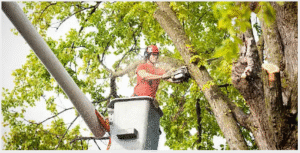
Tree Removal Adelaide Hills: Key Warning Signs It’s Time to Take Action

Trees are essential to any landscape in Adelaide Hills. They provide shade, improve air quality, increase property value, and create a sense of peace and beauty. However, there are situations where tree removal becomes not just necessary, but critical for safety and property preservation. Recognising the warning signs early can prevent serious damage, injury, or even legal liabilities. In this article, we’ll explore the key indicators that signal when tree removal Adealide hills is necessary and why timely action is crucial.

1. Visible Signs of Disease or Decay

tree removal Adealide hillsOne of the most common reasons for removing a tree is disease. Trees can suffer from fungal infections, insect infestations, or other conditions that gradually deteriorate their structure and health. Warning signs include discoloured leaves, peeling bark, soft or spongy wood, and fungal growth, such as mushrooms, at the base of the trunk. If a large portion of the tree is diseased, it may be beyond saving and could pose a hazard. An arborist can assess the damage, but in many cases, tree removal is the safest option to protect nearby vegetation and structures.

2. Dead or Dying Branches

Dead branches are not just unsightly — they are dangerous. Large, brittle limbs can fall unexpectedly, especially during storms or strong winds. If more than 50% of a tree’s canopy is dying or dead, this often means the tree is in irreversible decline. Leaving it standing increases the risk of accidents. In such cases, professional tree removal ensures safety and prevents further damage to property.

3. Structural Instability

Leaning trees or those with large cracks in the trunk should raise immediate concern. While some trees naturally lean due to growth patterns or the direction of sunlight, a sudden or increasing lean could indicate root failure or internal decay. Cracks or splits in the trunk weaken the tree’s integrity, making it prone to collapse. Tree removal becomes necessary when a tree poses a threat to nearby buildings, power lines, or pedestrian pathways.

4. Root Damage or Uplift

Roots are the foundation of any tree. If they are damaged—either due to construction, soil erosion, or disease—the tree may become unstable. Visible signs, such as heaving soil, exposed roots, or root decay, indicate that the tree’s support system is compromised. In urban areas, roots can also damage underground pipes, sidewalks, or foundations. In these instances, tree removal can prevent costly repairs and safety issues.

5. Storm Damage

After severe weather, it’s crucial to inspect trees for broken branches, splits, or partial uprooting. Even if a tree appears to have survived a storm, hidden structural weaknesses might remain. Trees that have lost a significant amount of their crown or trunk should be evaluated for tree removal, especially if they pose a risk of falling or continue to decline in the months that follow.

6. Invasive Species or Unwanted Growth

Some trees, such as certain fast-growing species, can become invasive and harmful to native plants or structures. They may grow too close to homes, fences, or power lines, or spread aggressively through their root systems. In cases where pruning isn’t enough to control the growth or protect other plants, tree removal might be the best long-term solution.

7. Obstruction and Interference

Trees growing too close to homes, garages, or other structures can become a problem. Their branches might scrape roofs, block gutters, or obstruct views. Additionally, overgrown trees can interfere with driveways, utility lines, and solar panels. If regular maintenance is no longer practical, tree removal may be the most efficient and cost-effective way to prevent ongoing issues.

Final Thoughts: Don’t Delay Necessary Tree Removal

While trees bring immense value to our lives and environment, knowing when it’s time for tree removal is critical. Ignoring the warning signs can result in injury, structural damage, and unexpected costs. Regular inspections by a certified arborist, along with early intervention, are crucial for maintaining a safe and beautiful landscape.

Whether due to disease, storm damage, or structural instability, tree removal should always be handled by professionals. They have the expertise, equipment, and safety protocols needed to perform the job efficiently and responsibly.

If you suspect a tree on your property in Adelaide Hills needs removal, don’t wait until it becomes a hazard. Reach out to a trusted tree care service and protect your home, family, and community by addressing the issue before it escalates.

Mobile Coolroom Hire Adelaide: How to Get the Best Mobile Coolroom Hire

If your food business requires transporting products across various locations, a mobile cool room could be invaluable. These wheeled containers maintain subzero temperatures for catering services, sports events or restaurants needing temporary refrigeration needs.

When searching for the best mobile coolroom hire Adelaide, look for one with both low prices and superior customer service. Avoid those advertising special offers or making bold promises.

Cost-effectiveness

mobile coolroom hire AdelaideNo matter if it’s for meat, milk or fresh market produce – mobile coolroom rental options offer cost-effective solutions that could work for any food business that requires freezers and cool rooms. They are especially useful during emergencies such as power outages or natural disasters when keeping foods cold is imperative to prevent spoilage of products.

Most people believe renting a cool room to be costly, but it doesn’t need to be. A professional refrigerated transport company can give you a quote and assist in choosing the ideal type of cool room for your needs as well as providing theft prevention measures such as rim clamps and GPS.

Mobile cool rooms are an ideal solution for catering events, street food stalls and festival supplies storage needs. Conveniently mounted on trailers for easy transport between locations without needing special transport arrangements or fuss, these portable units are far more cost-effective than cool boxes or mini freezers.

Flexibility

Mobile cool rooms provide businesses that cater for private or corporate events the flexibility of moving between locations quickly. A portable cool room can store food, drinks, flowers or any other item requiring refrigeration at the right temperature. It also gives businesses that serve clients their ability to quickly deliver services with maximum flexibility.

A reliable provider of mobile cool rooms should offer various sizes to fit your needs. They will ask how long and for what purpose the cooler will be used before suggesting an optimal size; choosing the best mobile coolroom hire Adelaide slightly larger than necessary may allow more goods to be accommodated in it.

Mobile cool rooms will come equipped with equipment housing to ensure safety, rim clamps, and padlocks to stop theft, as well as equipment housing to safeguard investments and ensure they remain protected at all times. This will keep your investments protected and the cool room secure.

Storage capacity

Mobile coolroom rentals provide an ideal way of transporting perishable food items as well as storing beverages and other items. Easy to operate and portable on trailers or behind trucks, mobile coolroom rentals come in various sizes that can meet all of your storage needs.

If you want the best cool room rental company, make sure they offer protection from theft. Refrigerated transport services should have security measures like padlocks and rim clamps in place to deter vehicle theft, plus GPS trackers for added peace of mind.

Coolrooms are essential pieces of equipment for any food business. They help maintain proper cold chain safety standards, keeping meat, produce and other items cold as necessary to meet demand at your restaurant or catering jobs in remote locations.

Safety

Mobile coolroom rental offers the ideal solution when you require refrigeration for an event or emergency backup during power outages, making these portable units convenient and flexible to place wherever needed – not to mention more cost-effective than purchasing an on-premise cold room!

When selecting a mobile coolroom, be sure it is made from quality parts and materials to ensure its safety and dependability. Furthermore, ensure it comes equipped with convenient features like day/night visibility lighting as well as hitch helmet locks or emergency buttons if possible.

The best mobile coolroom hire Adelaide can also serve to store flowers and non-food items – an invaluable service in Australia’s hot summers when these products can easily perish and rot. Furthermore, portable freezers provide businesses and organisations with a flexible way of moving frozen goods between locations.

Adelaide interstate removalists: Choosing Interstate Furniture Removalists

Moving across state lines can be a stressful experience, so choosing reliable furniture removalists is essential for ensuring everything runs smoothly.

Locating an AtoB Adelaide interstate removalists can be a time-consuming and laborious process of calling around and getting quotes, often taking more than necessary. Find a Mover makes the search more straightforward and faster so you can quickly locate an ideal provider for your move.

Packing

AtoB Adelaide interstate removalistsAtoB Adelaide interstate removalists can take time and become stressful when looking for the appropriate removalists and packing your home, so early preparations are vital for ensuring a smooth experience on a moving day. Starting by creating a list of items needing to be moved, finding suitable transport solutions and packing your belongings are the best ways to guarantee everything runs smoothly on a moving day.

When packing up, all doors, cupboards and drawers must be closed securely to avoid dislodging items during transit and potentially damaging them. Doing this can save time on moving days. Masking tape can also be used to secure these areas shut.

Another effective way of preparing for an interstate move is requesting from your truck removalist a checklist of items they won’t carry – this can give you an idea of what needs to be packed separately or not at all, helping plan a budget and save time!

Professional AtoB Adelaide interstate removalists provide the fastest and most economical method for moving interstate. Their staff have all of the skills, equipment, and transport insurance needed to make your relocation stress-free while cutting down costs such as renting a vehicle/trailer combo, wear-and-tear repairs on vehicles, and time spent loading/unloading.

Transportation

Removalists will always pack furniture carefully when transporting it interstate, using protective covers, wrapping items securely, taping them shut and using unique straps to hold pieces together securely. In addition, they have access to tools for disassembling components such as doors or frames, along with several large resealable bags and permanent markers to keep small parts together and label them appropriately.

No matter the scale or scope of your move, the team has the expertise and equipment necessary to get it done on time and within budget. Their fully insured professional removalists offer added peace of mind that your belongings will arrive safely. And let them assist with packing! Often, the most challenging part of relocating!

Backloading services may also help save you money when moving interstate by offering space on existing trucks’ return journeys at significantly reduced rates compared to hiring full trucks and removalist teams. But remember, this method may increase the risk of damage and may not be suitable for all your household goods.

Insurance

When hiring professional furniture removalists, they must come equipped with adequate insurance protection. Moving can be stressful enough without worrying if something unexpected goes amiss; therefore, it’s worth making sure your interstate furniture removalists have sufficient coverage in case anything should go amiss during your moving process.

When selecting a removalist, read their PDS for information regarding their insurance policies. They should offer several options that meet your needs, such as full replacement cover, released value or transit-only coverage – full replacement ensures that goods damaged in transport will be replaced or reimbursed. Please be aware if moving expensive items, you may need to pay extra for this option.

Storage

When moving interstate, utilities must be connected quickly. Otherwise, you could wait days or weeks for electricity or gas services to become operational – especially if moving to a remote region or area.

As it’s impossible to fit all large items into a standard car or container, you should plan how to store large ones that don’t. It may involve disassembling, carefully packaging and transporting them. Also, keep several large resealable bags and permanent markers handy to organise small parts, such as handles or screws, into their proper places with proper labelling and storage solutions.

Finally, when it comes to moving costs and storage solutions, one crucial aspect to remember is storage costs and duration requirements. A professional removalist can give a more accurate estimation and recommend the ideal option based on your needs.

Furniture Removals Company

Moving your furniture is a task that takes time and requires skill. Whether moving to another home or delivering articles you have sold online, hiring a furniture removals company will ensure that your items get returned safely and on time.

A good furniture removalist in Adelaide company will be experienced and insured. They will also have the equipment to quickly move awkward and heavy furniture pieces.

They are experienced

removalist in AdelaideWhen you need a company to transport your furniture, they must be experienced. It will ensure that your belongings are delivered safely and securely. You may also want to look for a company that offers other services, such as packing or storage. These services will save you time and money as you won’t need to purchase packing materials or have someone help pack your belongings.

Many furniture removal companies are experienced in all aspects of furniture transport, so you can rely on them to transport your belongings safely and securely. They’ll also have the equipment to move heavy items and prevent them from banging into your walls. It can cause damage to your property and your health, so it’s best to hire a professional company to move your furniture without any hassle.

Some companies also offer junk removal services, ideal for removing old or unwanted furniture and other household items. These companies will haul away sofas, beds, tables, chairs, computers, appliances, construction waste, and more.

They’ll often recycle and reuse the materials they collect to make new items, so you can feel good about hiring them for your trash pickup. They also have relationships with local recycling and donation centres, which can help you coordinate the disposal of your furniture and other trash.

The price of a furniture removalist in Adelaide company can vary depending on the size of your home and the amount of furniture you need to be moved. If you’re unsure about the cost of a particular company, it’s a good idea to gather at least three price quotes from different companies before making your decision.

It’s also a good idea to choose an insured furniture removal company. They should offer insurance packages that cover goods in transit and public liability, so your belongings are protected in case of an accident or theft. They should also explain how their insurance affects your rights to claim if anything happens to your furniture during the move.

They are insured

If you’re planning on moving house, the good news is that a quality furniture removal company can make your transition much less painful. With their professional staff and a fleet of vans of varying sizes and ages, they’ll be able to take the stress out of the process and deliver a pleasant moving experience. Fortunately, they’re often available in a pinch to meet your needs. Most reputable firms have a website where customers can browse for the best-priced service in their area and make appointments on the fly. Some even offer same-day service should you be in a hurry.

They are reliable

A furniture removalist in Adelaide company is a great option when transporting your belongings from one place to another. They will make sure your furniture is transported safely, and they will have all the necessary equipment to ensure that it arrives at its new destination in perfect condition.

A reliable furniture removals company will always be there for you if you have any questions or concerns, and they will respond promptly to your enquiries. They will also have a dedicated phone number, so you can quickly contact them if you have any problems.

Reliability is essential in any industry and especially significant for furniture removals. Because your furniture and belongings are important to you, you want to know that they will be safe in the hands of a reputable company.

Professionalism is another essential quality to look for in a furniture removal company. It will ensure that they have a clear understanding of their responsibilities and duties, and it will show that they take the job seriously.

They will be careful when lifting large items and won’t bang them into walls, which can result in expensive damage to your property. It will also reduce your injury risk, resulting in time off work and medical bills.

You should also check that the furniture removal company you choose is environmentally aware and has a recycling and donation policy for all the items they pick up. It will help to keep your home and your community clean while also helping to eliminate clutter and save on space.

A good furniture removal company will have an extensive history and a team of skilled employees that will ensure your furniture is transported safely and efficiently. They will also be able to provide you with a range of services, from packing to storage. These services will ensure your furniture is moved safely and quickly, so you can enjoy a stress-free move.