Trees are essential to any landscape in Adelaide Hills. They provide shade, improve air quality, increase property value, and create a sense of peace and beauty. However, there are situations where tree removal becomes not just necessary, but critical for safety and property preservation. Recognising the warning signs early can prevent serious damage, injury, or even legal liabilities. In this article, we’ll explore the key indicators that signal when tree removal Adealide hills is necessary and why timely action is crucial.
1. Visible Signs of Disease or Decay
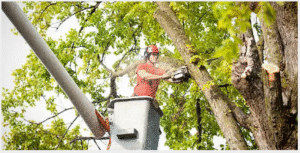 One of the most common reasons for removing a tree is disease. Trees can suffer from fungal infections, insect infestations, or other conditions that gradually deteriorate their structure and health. Warning signs include discoloured leaves, peeling bark, soft or spongy wood, and fungal growth, such as mushrooms, at the base of the trunk. If a large portion of the tree is diseased, it may be beyond saving and could pose a hazard. An arborist can assess the damage, but in many cases, tree removal is the safest option to protect nearby vegetation and structures.
2. Dead or Dying Branches
Dead branches are not just unsightly — they are dangerous. Large, brittle limbs can fall unexpectedly, especially during storms or strong winds. If more than 50% of a tree’s canopy is dying or dead, this often means the tree is in irreversible decline. Leaving it standing increases the risk of accidents. In such cases, professional tree removal ensures safety and prevents further damage to property.
3. Structural Instability
Leaning trees or those with large cracks in the trunk should raise immediate concern. While some trees naturally lean due to growth patterns or the direction of sunlight, a sudden or increasing lean could indicate root failure or internal decay. Cracks or splits in the trunk weaken the tree’s integrity, making it prone to collapse. Tree removal becomes necessary when a tree poses a threat to nearby buildings, power lines, or pedestrian pathways.
4. Root Damage or Uplift
Roots are the foundation of any tree. If they are damaged—either due to construction, soil erosion, or disease—the tree may become unstable. Visible signs, such as heaving soil, exposed roots, or root decay, indicate that the tree’s support system is compromised. In urban areas, roots can also damage underground pipes, sidewalks, or foundations. In these instances, tree removal can prevent costly repairs and safety issues.
5. Storm Damage
After severe weather, it’s crucial to inspect trees for broken branches, splits, or partial uprooting. Even if a tree appears to have survived a storm, hidden structural weaknesses might remain. Trees that have lost a significant amount of their crown or trunk should be evaluated for tree removal, especially if they pose a risk of falling or continue to decline in the months that follow.
6. Invasive Species or Unwanted Growth
Some trees, such as certain fast-growing species, can become invasive and harmful to native plants or structures. They may grow too close to homes, fences, or power lines, or spread aggressively through their root systems. In cases where pruning isn’t enough to control the growth or protect other plants, tree removal might be the best long-term solution.
7. Obstruction and Interference
Trees growing too close to homes, garages, or other structures can become a problem. Their branches might scrape roofs, block gutters, or obstruct views. Additionally, overgrown trees can interfere with driveways, utility lines, and solar panels. If regular maintenance is no longer practical, tree removal may be the most efficient and cost-effective way to prevent ongoing issues.
Final Thoughts: Don’t Delay Necessary Tree Removal
While trees bring immense value to our lives and environment, knowing when it’s time for tree removal is critical. Ignoring the warning signs can result in injury, structural damage, and unexpected costs. Regular inspections by a certified arborist, along with early intervention, are crucial for maintaining a safe and beautiful landscape.
Whether due to disease, storm damage, or structural instability, tree removal should always be handled by professionals. They have the expertise, equipment, and safety protocols needed to perform the job efficiently and responsibly.
If you suspect a tree on your property in Adelaide Hills needs removal, don’t wait until it becomes a hazard. Reach out to a trusted tree care service and protect your home, family, and community by addressing the issue before it escalates.