Cold chain logistics plays a vital role in Australia’s food production and pharmaceutical industries, ensuring perishable goods maintain their quality from origin to destination. One essential but often overlooked tool in this process is pallet freezer spacers. For businesses aiming to boost efficiency and maintain strict temperature controls, understanding how these devices work can make a significant difference. This beginner’s guide explains what they are, why they matter, and how they fit into Australia’s unique supply chain landscape.
What Are Pallet Freezer Spacers?
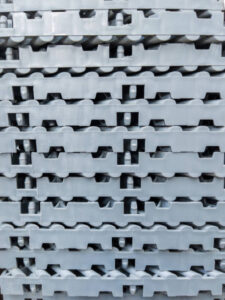
Pallet freezer spacers are durable, ventilated inserts placed between layers of products on a pallet. Their purpose is simple yet powerful: they allow cold air to circulate evenly around goods during freezing or chilling. Without them, airflow is restricted, resulting in uneven cooling and longer freezing times. In industries where freshness and safety are paramount—such as seafood processing in Queensland or meat exports from Victoria—this technology can be a game-changer.
These spacers are usually made from food-grade plastic, designed for repeated use, and easy to clean. They are also stackable, meaning they can be stored compactly when not in use—a major advantage in busy cold storage facilities.
Why Pallet Freezer Spacers Matter in Australia’s Cold Chain
Australia’s cold chain logistics face unique challenges, from vast transportation distances to extreme climate variations. In many cases, goods must travel thousands of kilometres, often crossing between tropical and temperate zones. Any inefficiency in freezing can compromise product quality long before it reaches the consumer.
Pallet freezer spacers help solve this problem by ensuring faster and more uniform cooling. This not only reduces energy costs but also minimises the risk of temperature fluctuations that can lead to spoilage. For exporters shipping premium beef to Asia or wine grapes to domestic wineries, maintaining the right temperature from the start of the process is critical.
Additionally, compliance with Australian food safety standards, such as those enforced by Food Standards Australia New Zealand (FSANZ), often requires evidence of proper temperature control. Using freezer spacers can help businesses meet these requirements with confidence.
Key Benefits for Logistics Operations
Incorporating pallet freezer spacers into your cold chain processes can yield several operational advantages:
- Faster Freezing Times – Improved airflow can cut freezing times significantly, which is especially beneficial during peak production seasons.
- Consistent Quality – Even cooling prevents “hot spots” where bacteria can thrive.
- Reduced Energy Usage – Shorter freezing cycles translate into lower power consumption, helping to offset rising energy costs in Australia.
- Durability and Reusability – Designed for repeated use, they offer long-term value compared to disposable alternatives.
- Space Efficiency – Stackable designs make storage and transport simple when not in active use.
For Australian seafood exporters in Tasmania or mango producers in Northern Territory, these benefits can help maintain their competitive edge in both domestic and global markets.
Choosing the Right Pallet Freezer Spacers
Not all pallet freezer spacers are created equal. When selecting the right type for your business, consider these factors:
- Material Quality – Food-grade, high-density polyethylene (HDPE) is ideal for hygiene and durability.
- Design and Ventilation – Look for wide, open grids to maximise airflow.
- Weight Capacity – Ensure they can handle the weight of your specific products without warping.
- Ease of Cleaning – Smooth surfaces and dishwasher-safe designs can save time and reduce contamination risk.
- Compatibility – Check that the spacers fit your pallet and product dimensions.
For example, a Victorian meat processor might require heavy-duty spacers for large carcasses, while a Brisbane-based pharmaceutical company might prioritise lightweight, easy-to-sterilise designs for vaccine shipments.
Implementing Pallet Freezer Spacers in Your Workflow
Introducing pallet freezer spacers into your operations doesn’t require a major overhaul. Start by conducting a trial run in one section of your cold storage facility. Monitor freezing times, temperature consistency, and product quality over several cycles.
It’s also essential to train staff on correct placement techniques, as improper use can limit airflow and reduce effectiveness. Establishing a cleaning and inspection schedule will further ensure the spacers remain in optimal condition.
Many Australian companies also integrate spacers with automated pallet handling systems, creating an efficient workflow that reduces manual labour and speeds up processing times.
Final Thoughts
For Australian businesses involved in cold chain logistics, pallet freezer spacers represent a practical, cost-effective way to improve product quality, save energy, and meet regulatory standards. Whether you’re shipping fresh produce from Western Australia, dairy from Victoria, or pharmaceuticals from Sydney, the consistent temperature control they provide is a critical asset.
By understanding how they work and choosing the right type for your needs, even beginners in cold chain logistics can quickly see measurable benefits. In a competitive market where every degree matters, pallet freezer spacers could be the small investment that delivers a big return.