A cranial cruciate ligament (CCL) tear is one of the most common orthopedic injuries in dogs. If left untreated, it often leads to pain, lameness, and long-term joint issues. For dog owners in Portland, Oregon, recognising the signs and understanding the treatment options is crucial for ensuring your pet’s health and mobility.
The cranial cruciate ligament (CCL) in dogs is analogous to the anterior cruciate ligament (ACL) in humans. It connects the femur (thigh bone) to the tibia (shin bone) and plays a critical role in stabilising the knee joint, known as the stifle in dogs. A tear or rupture of this ligament leads to joint instability, causing pain and hind leg lameness. For more information about CCL tear in dogs, click here.
Causes and Risk Factors
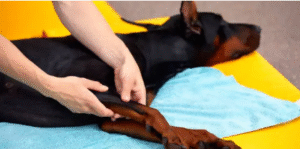 CCL tears in dogs can result from acute trauma or, more commonly, from chronic degeneration. Factors contributing to CCL injuries include:
- Age and Degeneration: Ligament fibres can weaken over time, making older dogs more susceptible.
- Obesity: Excess weight increases stress on the joints.
- Breed Predisposition: Certain breeds, like Labrador Retrievers, Rottweilers, and Newfoundlands, have a much higher incidence of CCL injuries.
- Conformation and Genetics: Abnormal limb alignment and hereditary factors can predispose dogs to ligament injuries.
Recognising the Symptoms
Early detection of a CCL tear can prevent further joint damage. Common signs include:
- Lameness: Sudden or intermittent hind leg limping.
- Stiffness: Especially after rest or exercise.
- Difficulty Rising or Jumping: Reluctance to perform activities that were previously easy.
- Swelling: Noticeable inflammation around the knee joint.
- Abnormal Sitting Posture: Sitting with the affected leg extended to the side.
Diagnosis
A veterinarian will carefully perform a thorough physical examination, including specific tests like the cranial drawer test to assess joint stability. Imaging techniques such as X-rays can help identify joint effusion, arthritis, or other abnormalities associated with CCL injuries.
Treatment Options
Non-Surgical Management
Conservative treatment may be considered for small dogs (under 30 pounds) or those with partial tears: AERC Minnesota + 3, The Spruce Pets + 3canine
- Rest and Activity Restriction: Limiting movement to allow healing.
- Medications: Anti-inflammatory drugs to effectively reduce pain and swelling.
- Physical Therapy: Exercises to strengthen surrounding muscles.
However, non-surgical approaches may not provide long-term stability, and many dogs eventually require surgery.
Surgical Interventions
Surgery is often the recommended treatment for complete CCL tears, especially in larger or more active dogs. Standard surgical procedures include:
- Tibial Plateau Levelling Osteotomy (TPLO): This technique alters the angle of the tibial plateau to stabilise the knee without relying on the CCL. It’s widely used and has a high success rate.
- Tibial Tuberosity Advancement (TTA): This procedure changes the dynamics of the knee joint by advancing the tibial tuberosity, effectively stabilising the joint.
- Extracapsular Repair (Lateral Suture Technique): Suitable for smaller dogs, this method uses a suture to mimic the function of the CCL.
Prevention Strategies
While not all CCL injuries are preventable, specific measures can reduce the risk:
- Maintain a Healthy Weight: Reducing stress on joints.
- Regular Exercise: Keeping muscles strong and joints flexible.
- Avoid High-Impact Activities: Especially for breeds prone to CCL injuries.
- Routine Veterinary Check-ups: Early detection of joint issues can lead to prompt treatment.
Local Resources in Portland, OR
Portland boasts several veterinary clinics and specialists experienced in diagnosing and treating CCL tears in dogs. Consulting with a local veterinarian can provide personalised care plans specially tailored to your dog’s specific needs.
Postoperative Care and Rehabilitation
Recovery from CCL surgery involves:
- Controlled Exercise: Gradually increasing activity levels to rebuild strength.
- Physical Therapy: Including hydrotherapy and specific exercises to restore mobility.
- Regular Veterinary Check-ups: Monitoring healing progress and adjusting rehabilitation plans as needed.
Adhering to a structured rehabilitation program is crucial for optimal recovery and minimising the risk of re-injury.
Conclusion:
A CCL tear in dogs is a serious but manageable condition, especially when diagnosed early and treated appropriately. For pet owners in Portland, OR, being informed about the causes, symptoms, and treatment options empowers you to make the best decisions for your dog’s long-term health. Whether your dog requires conservative care or surgical intervention, partnering with a trusted veterinary professional and following a structured rehabilitation plan can lead to excellent recovery outcomes.